
Introduction
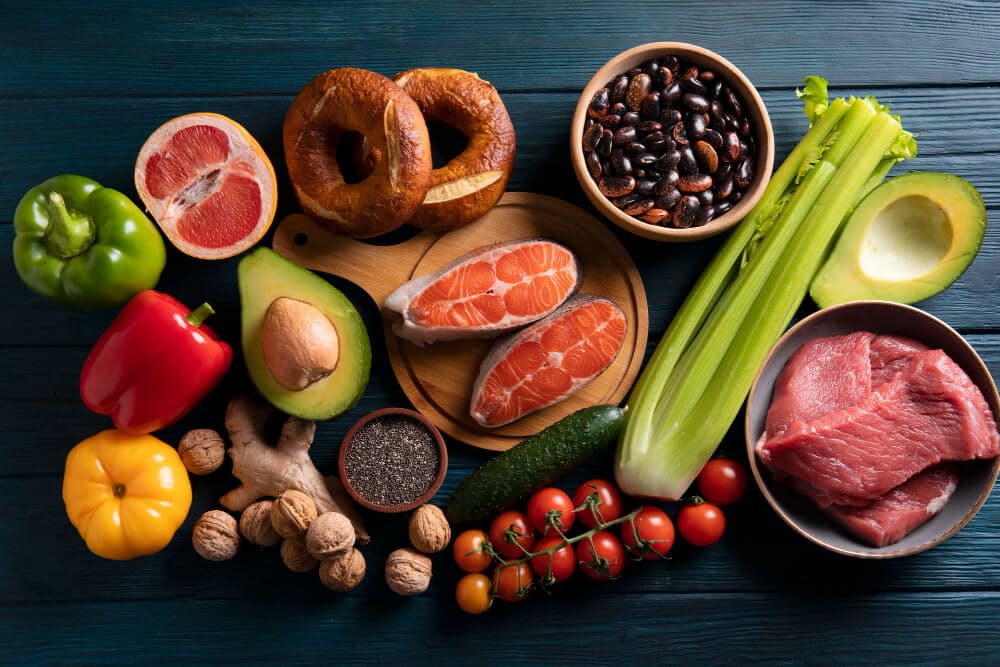
Nutrition has always been central to human existence. From ancient cultures eating natural foods to today’s science-based diets, the rules of good nutrition are remarkably similar. Ancient nutrition focused on whole, seasonal foods; egg nutrition facts reveal nature’s perfect protein; and avocado nutrition demonstrates the benefits of healthy fats. Together, these nutritional cornerstones bridge ancient wisdom and contemporary nutrition.
Knowing how old diets functioned and how nutrient-rich foods like eggs and avocados fit into modern meals can guide us to create healthier, more sustainable eating patterns.
Ancient Nutrition: The Building Blocks of Human Health
What is Ancient Nutrition?
Ancient nutrition is the eating habits of early civilizations like the Egyptians, Greeks, Romans, Indians, Chinese, and native cultures around the world. These diets were influenced by geography, climate, and seasonal availability. No processed foods, no additives, no refined sugars—just nature.
Ancient diet was all about balance, moderation, and nourishment, not calorie counting or fad diets.
Ancient Nutrition’s Pillars
Ancient nutrition was simple. People ate foods in their rawest state.
Principles included:
-
Real, unprocessed foods
-
Seasonal and local ingredients
-
Balanced diet of proteins, fats and carbohydrates
-
Herbs and spices for healing
-
Respect for food as medicine
Old practices like Ayurveda and Traditional Chinese Medicine (TCM) saw food as a way to balance the body.
Ancient Diets of Civilizations
Different cultures ate differently, but they all knew the same nutritional truths:
-
Ancient Indian diet focused on grains, pulses, vegetables, ghee, fruits, and spices.
-
Mediterranean cultures depended on olives, grains, fish, vegetables, and eggs.
-
Ancient Egyptians ate bread, onions, eggs, and fruits.
-
Hunter-gatherer diets included meat, eggs, roots, nuts, and wild fruits.
Eggs and good fats—now celebrated by modern nutrition—were already a staple back then.
Why Ancient Nutrition Still Matters
Ancient diets are now backed by modern nutrition. Studies show that whole-food diets decrease inflammation, aid digestion, and lower chronic disease risk.
Ancient nutrition tells us:
-
Eat real food
-
Don’t overprocess
-
Honor natural fats and proteins
-
Eat a variety of foods
These lessons are still vital in a fast-food world.
Egg Nutrition Facts: Nature’s Perfect Protein
Egg Nutrition Overview
Eggs have been eaten for thousands of years and are one of the most nutritious foods you can eat. Rich in protein, vitamins, and minerals, eggs have been a staple in diets since ancient times.
One egg packs a punch.
Egg Nutrition Facts (Per Large Egg)
-
Calories: ~70
-
Protein: ~6g
-
Fat: ~5g
-
Cholesterol: ~186 mg
-
Vitamin B12, Vitamin D, Vitamin A
-
Choline, selenium, iron
Eggs are a complete protein source, containing all nine essential amino acids.
Health Benefits of Eggs
Eggs are healthy:
-
Aid muscle growth and recovery
-
Boost brain function because of choline
-
Support eye health with lutein and zeaxanthin
-
Help with weight loss by boosting satiety
Ancient cultures prized eggs for strength, fertility, and stamina—now backed by science.
Eggs in Ancient Nutrition
In old nutrition systems, eggs were a life-giving food. They represented creation, rebirth, and life. Eggs were prescribed for:
-
Getting better after illness
-
Pregnancy support
-
Improving physical endurance
Ayurveda considered eggs heating and strengthening, good for those who needed vigor.
Are Eggs Healthy Now?
While cholesterol was once a concern, current science indicates that moderate egg intake doesn’t raise heart disease risk in healthy people. Eggs are still a very healthy food when consumed in moderation.
Avocado Nutrition: The Healthy Fat Powerhouse
What’s Special About Avocado?
Avocados are considered a “superfood” because of their nutrient density. Unlike most fruits, avocados are low in sugar and rich in healthy fats, making them nutritionally distinct.
Avocado nutrition is in line with old-school diets that favored natural fats.
Avocado Nutrition Facts (Per Half Avocado)
-
Calories: ~120
-
Healthy monounsaturated fats
-
Fiber: ~5g
-
Potassium, magnesium
-
Vitamins E, K, C, and B6
Avocados offer heart-healthy fats for well-being.
Avocado Nutrition Health Benefits
Avocado nutrition benefits several areas of health:
-
Heart health: Reduces bad cholesterol
-
Improves digestion with high fiber
-
Promotes healthy skin and hair
-
Helps control blood sugar
Healthy fats in avocados also enhance the absorption of fat-soluble vitamins from other foods.
Avocados and Ancient Diets
Avocados may have been native to Central and South America, but the Aztecs valued them for their nourishing and energizing properties. Avocados were seen as fertility and strength-enhancing foods.
Their use echoes ancient nutrition’s wisdom of natural fats—before fat was demonized in modern diets.
Avocado Nutrition in Today’s Diet
Now, avocados are a regular part of healthy diets like:
-
Mediterranean diet
-
Keto diet
-
Plant-based diets
Their adaptability makes them simple to incorporate into both classic and contemporary dishes.
Ancient Nutrition + Eggs + Avocados: Why These Foods Work Together
Old nutrition rules are all about balance. Eggs offer protein and nutrients, avocados offer healthy fats and fiber. Together, they make a complete, satisfying meal.
This mix:
-
Keeps you fuller longer
-
Balances blood sugar
-
Supports muscle and brain health
It’s ancient wisdom meets modern science.
How to Incorporate Them Practically
You can include these foods in daily meals:
-
Eggs prepared in classic ways with herbs
-
Avocado with whole grains and veggies
-
Easy, unprocessed recipes
Ancient nutrition is about eating with intention, not complication.
Conclusion
Ancient nutrition has modern lessons. Eating whole, natural foods, our ancestors forged robust bodies without science or supplements. Egg nutrition facts reveal why eggs have endured as a whole, healthy food. Avocado nutrition is all about loving fats, not fearing them.
By combining traditional food knowledge with modern science, we can develop diets that are healthier, more sustainable, and more enjoyable. Eating like our ancestors—with modern science—could be the secret to lasting health and energy.

