
Health is one of the most valuable aspects of life, yet many people ignore early warning signs when their bodies try to signal that something is wrong. Understanding symptoms can help individuals recognize potential health problems earlier and seek appropriate care. While not every symptom indicates a serious illness, paying attention to persistent or unusual changes can make a significant difference in treatment outcomes.
A symptom is any physical or mental change that may indicate an underlying health condition. Some symptoms are mild and temporary, while others can point to more serious issues that require medical attention. Learning about a common disease and its symptoms helps people make informed decisions about their health and avoid unnecessary complications.
This guide explains the most common disease symptoms, what they may mean, and when they should be taken seriously. By understanding these signs, individuals can become more aware of their overall well-being and respond appropriately when health concerns arise.
Why Symptoms Matter
Symptoms are the body’s way of communicating that something may be affecting normal function. They can range from obvious signs such as fever and cough to more subtle indicators like fatigue, weight changes, or mood disturbances. Recognizing these signals early often allows for quicker diagnosis and treatment.
Many illnesses share similar symptoms, making it difficult to determine the exact cause without professional evaluation. For example, fatigue can result from stress, lack of sleep, anemia, infection, or other medical conditions. Similarly, headaches may be caused by dehydration, tension, or more serious neurological problems.
Understanding symptom patterns helps distinguish between temporary discomfort and potential health concerns. A common disease often begins with mild symptoms that gradually worsen if left untreated. Monitoring changes in duration, intensity, and frequency can provide valuable information for healthcare providers and improve the chances of successful treatment.
Common Symptoms and Their Possible Causes
The following table outlines frequently experienced symptoms and some of the conditions they may indicate.
| Symptom | Possible Causes |
|---|---|
| Fever | Infection, flu, inflammation |
| Cough | Cold, flu, asthma, respiratory infection |
| Fatigue | Stress, anemia, infection, sleep disorders |
| Headache | Dehydration, migraine, tension |
| Nausea | Food poisoning, infection, digestive issues |
| Chest Pain | Heart disease, anxiety, muscle strain |
| Shortness of Breath | Asthma, lung disease, heart problems |
| Weight Loss | Diabetes, thyroid disorders, cancer |
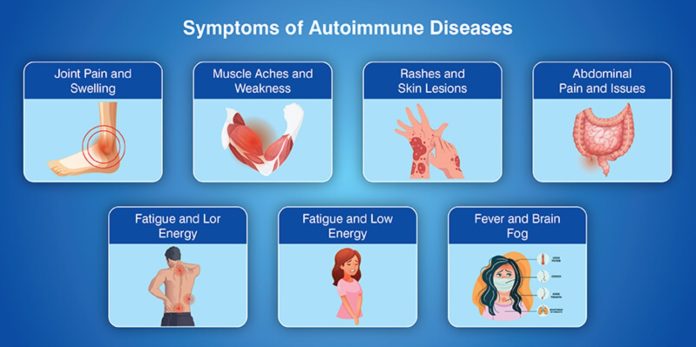
| Joint Pain | Arthritis, injury, autoimmune disorders |
| Skin Rash | Allergy, infection, skin conditions |
While these associations are common, symptoms alone cannot confirm a diagnosis. Professional medical assessment is often necessary to determine the actual cause.
Fever: A Sign of the Body Fighting Infection
Fever is one of the most recognizable symptoms associated with illness. It occurs when the body’s temperature rises above its normal range, usually in response to infection. Fever is not a disease itself but rather a natural defense mechanism that helps the immune system combat harmful microorganisms.
A mild fever may accompany common illnesses such as colds, influenza, or viral infections. However, persistent or very high fevers may indicate more serious conditions requiring medical evaluation. Additional symptoms such as severe headache, confusion, difficulty breathing, or dehydration should never be ignored.
In many cases, rest, hydration, and proper nutrition help support recovery. Monitoring temperature and observing accompanying symptoms can provide useful information. Since fever is associated with many forms of common disease, understanding its significance can help individuals determine when self-care is sufficient and when professional medical advice is needed.
Cough and Respiratory Symptoms
Coughing is a protective reflex that helps clear irritants, mucus, and foreign particles from the airways. While occasional coughing is normal, persistent coughing may indicate an underlying respiratory condition.
Respiratory symptoms often include:
- Dry or productive cough
- Sore throat
- Nasal congestion
- Wheezing
- Shortness of breath
- Chest discomfort
These symptoms frequently occur during viral infections such as the common cold or flu. However, they may also be associated with asthma, allergies, bronchitis, or pneumonia. A prolonged cough lasting several weeks should be evaluated by a healthcare professional, especially if accompanied by blood, fever, or breathing difficulties.
Because respiratory issues are among the most widespread forms of common disease, recognizing changes in breathing patterns and lung function is essential for maintaining overall health.
Fatigue and Unusual Tiredness
Feeling tired after physical activity or a busy day is normal. However, persistent fatigue that does not improve with rest may indicate an underlying health condition. Fatigue can affect concentration, productivity, and quality of life.
Numerous factors contribute to prolonged tiredness, including poor sleep habits, emotional stress, nutritional deficiencies, and chronic illnesses. Conditions such as anemia, thyroid disorders, diabetes, and infections often present with fatigue as an early symptom.
People experiencing unexplained exhaustion should pay attention to accompanying signs such as dizziness, weight changes, or difficulty concentrating. These details may help healthcare providers identify the cause more accurately.
Fatigue is commonly associated with many types of common disease, making it one of the most important symptoms to monitor. Ignoring ongoing tiredness may delay diagnosis and allow health problems to worsen over time.
Headaches and Neurological Warning Signs
Headaches are among the most frequently reported health complaints worldwide. Most headaches result from tension, dehydration, stress, or lack of sleep. Although generally harmless, certain headache patterns may indicate a more serious issue.
Migraine headaches often involve severe pain, sensitivity to light, nausea, and visual disturbances. Cluster headaches can produce intense pain around one eye, while sinus headaches are linked to nasal congestion and facial pressure.
Warning signs that require immediate medical attention include:
- Sudden, severe headache
- Headache following head injury
- Vision changes
- Difficulty speaking
- Weakness or numbness
- Loss of consciousness
Understanding headache characteristics can help identify whether symptoms stem from a simple trigger or a potentially serious neurological condition. Since headaches frequently appear in many forms of common disease, proper evaluation is important when symptoms become persistent or unusual.
Digestive Symptoms and What They Mean
The digestive system is sensitive to a wide variety of conditions, making gastrointestinal symptoms extremely common. Problems affecting digestion often produce symptoms that range from mild discomfort to severe pain.
Common digestive symptoms include:
Nausea and Vomiting
Nausea can result from infections, food poisoning, motion sickness, medication side effects, or digestive disorders. Persistent vomiting may lead to dehydration and should be assessed by a healthcare provider.
Abdominal Pain
Abdominal pain varies greatly depending on its location and severity. Causes range from indigestion and constipation to appendicitis and gallbladder disease.
Diarrhea
Diarrhea often occurs due to viral infections, bacterial contamination, food intolerance, or inflammatory bowel conditions. Long-lasting diarrhea increases the risk of dehydration and nutritional deficiencies.
Digestive complaints are frequently linked to a common disease affecting millions of people each year. Early recognition helps prevent complications and supports more effective treatment.
Chest Pain and Heart-Related Symptoms
Chest pain is one of the symptoms that should never be ignored. Although not every instance indicates a heart problem, it can sometimes signal a serious medical emergency.
Heart-related symptoms may include:
- Chest pressure or tightness
- Pain radiating to the arm or jaw
- Shortness of breath
- Dizziness
- Excessive sweating
- Nausea
Other conditions such as acid reflux, muscle strain, and anxiety can also cause chest discomfort. However, distinguishing between these causes without medical assessment can be difficult.
When chest pain occurs suddenly or is accompanied by breathing difficulties or fainting, immediate medical attention is necessary. Understanding these symptoms is crucial because cardiovascular conditions remain a leading cause of illness worldwide.
Skin Changes and Visible Warning Signs
The skin often reflects internal health conditions. Changes in appearance, texture, or color can provide important clues about underlying diseases.
Common skin symptoms include rashes, itching, discoloration, swelling, and unusual growths. Allergic reactions frequently produce redness and itching, while infections may cause painful or spreading rashes. Certain autoimmune disorders also manifest through distinctive skin changes.
People should pay attention to moles or spots that change in size, shape, or color. Persistent wounds that do not heal may require medical evaluation as well.
Because skin symptoms are visible and easy to monitor, they often provide early indications of a common disease before other symptoms become noticeable. Regular observation can help detect problems sooner and encourage timely treatment.
Weight Changes and Metabolic Disorders
Unexpected weight gain or weight loss can be an important indicator of health issues. While intentional changes through diet and exercise are normal, unexplained fluctuations deserve attention.
Significant weight loss may occur due to:
- Diabetes
- Thyroid disorders
- Digestive diseases
- Chronic infections
- Certain cancers
Unexpected weight gain may result from hormonal imbalances, fluid retention, medication effects, or metabolic disorders. Monitoring weight trends over time helps identify patterns that may warrant medical evaluation.
Because metabolic health affects nearly every body system, unexplained weight changes should not be dismissed. They often provide valuable clues that can lead to early diagnosis and intervention.
When to Seek Medical Attention
Not every symptom requires emergency care, but some warning signs should be evaluated promptly. Knowing when to seek help can prevent serious complications and improve health outcomes.
Contact a healthcare professional if symptoms:
- Persist longer than expected
- Become progressively worse
- Interfere with daily activities
- Return repeatedly
- Cause significant pain or discomfort
Seek immediate medical care for:
- Severe chest pain
- Difficulty breathing
- Sudden weakness or paralysis
- Loss of consciousness
- Severe bleeding
- Signs of stroke
Early intervention often leads to better treatment results. Even symptoms associated with a common disease can become serious if ignored for too long.
Preventing Illness Through Awareness
Understanding symptoms is only one part of maintaining good health. Prevention remains the most effective strategy for reducing disease risk. Healthy habits support the immune system and help minimize the likelihood of developing many illnesses.
Effective preventive measures include:
- Eating a balanced diet
- Exercising regularly
- Staying hydrated
- Getting adequate sleep
- Managing stress
- Practicing good hygiene
- Attending regular health checkups
- Avoiding tobacco and excessive alcohol use
Awareness of symptom changes combined with healthy lifestyle choices creates a strong foundation for long-term wellness. Individuals who pay attention to their bodies are often better equipped to identify health concerns early.
Conclusion
Recognizing and understanding symptoms is a valuable skill that supports better health decisions. Fever, cough, fatigue, headaches, digestive issues, chest pain, skin changes, and unexplained weight fluctuations can all provide important clues about underlying conditions. While many symptoms are harmless and temporary, others may indicate a more serious problem requiring medical attention.

