
Introduction
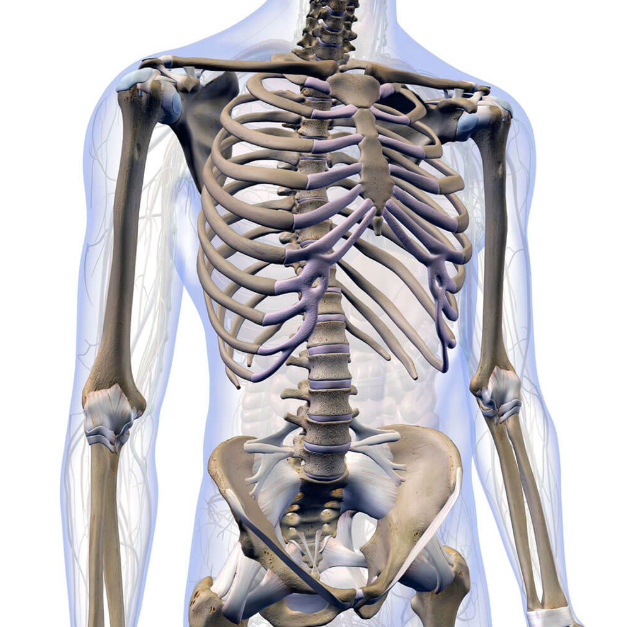
The human body is an incredible biological machine made up of various systems that work together to support life. One of the most important systems is the skeletal system, which provides structure, protection, movement, and support. Many people are curious about how many bones in the human body and why this number changes during different stages of life.
Bones are much more than rigid structures beneath the skin. They protect vital organs, produce blood cells, store essential minerals, and allow movement through their interaction with muscles. Understanding the skeletal system helps us appreciate how our bodies function and adapt throughout life.
In this comprehensive guide, we will explore how many bones in the human body, why infants have more bones than adults, the major groups of bones, their functions, and interesting facts that make the human skeleton one of nature’s most remarkable frameworks.
What Is the Skeletal System?
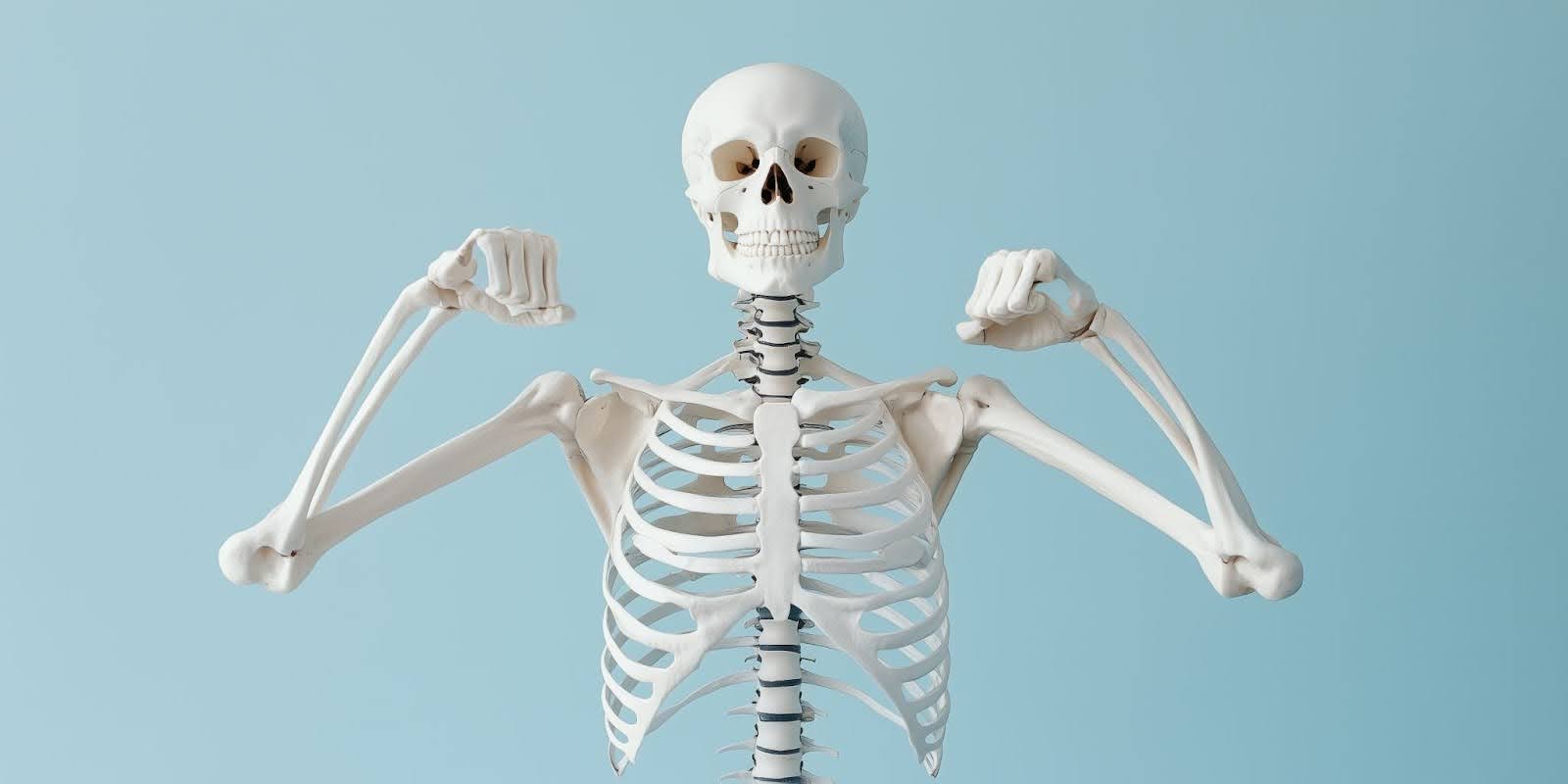
The skeletal system is the body’s framework, consisting of bones, cartilage, ligaments, and connective tissues. It provides shape and stability while enabling movement and protecting delicate organs.
Without bones, the human body would lack structure and would be unable to stand, walk, or perform everyday activities. Bones act as anchors for muscles, allowing coordinated movement through joints and tendons.
The skeletal system continuously changes throughout life. Bone tissue is living tissue that grows, repairs itself, and adapts to physical demands. This dynamic nature is one reason the skeleton remains healthy and functional for decades.
How Many Bones Are in an Adult Human Body?
A healthy adult human body contains 206 bones. This number is considered the standard count for most adults, although slight variations may occur due to genetic factors or anatomical differences.
When people ask how many bones in the human body, the answer for adults is generally 206. These bones vary greatly in size and shape. The smallest bone is the stapes in the ear, while the largest is the femur, located in the thigh.
The 206 bones are organized into two primary divisions:
| Skeletal Division | Number of Bones | Main Function |
|---|---|---|
| Axial Skeleton | 80 | Supports head, neck, and trunk |
| Appendicular Skeleton | 126 | Supports limbs and movement |
| Total | 206 | Complete skeletal framework |
This organization helps the body maintain balance, movement, and protection.
Why Do Babies Have More Bones Than Adults?
One fascinating fact about human anatomy is that babies are born with approximately 270 bones. As they grow, many of these bones gradually fuse together.
This explains why discussions about how many bones in the human body often mention different numbers depending on age.
The fusion process occurs during childhood and adolescence. For example, several bones in the skull combine to form larger structures, creating stronger protection for the brain. Similarly, parts of the pelvis and spine merge over time.
The reduction from around 270 bones at birth to 206 bones in adulthood is a natural developmental process that strengthens the skeleton while maintaining flexibility during early growth stages.
The Two Major Parts of the Human Skeleton
Axial Skeleton
The axial skeleton forms the central axis of the body. It includes the skull, vertebral column, ribs, and sternum.
These bones primarily serve protective and supportive functions. The skull protects the brain, while the rib cage safeguards the heart and lungs. The spine supports the body and shields the spinal cord.
The axial skeleton contains 80 bones and serves as the foundation of the skeletal system.
Appendicular Skeleton
The appendicular skeleton consists of the limbs and the girdles that connect them to the axial skeleton.
This section includes:
- Arms and hands
- Legs and feet
- Shoulder girdle
- Pelvic girdle
The appendicular skeleton contains 126 bones and is responsible for movement, flexibility, and physical activity.
Bone Distribution Throughout the Body
Understanding the distribution of bones helps answer questions about how many bones in the human body and where they are located.
Skull
The skull consists of 22 bones that protect the brain and support facial structures. Most skull bones are fused together to provide maximum protection.
Spine
The vertebral column contains 26 bones in adults. These vertebrae support the body and protect the spinal cord.
Rib Cage
The rib cage contains 24 ribs and one sternum. Together, they protect the heart, lungs, and major blood vessels.
Upper Limbs
Each arm contains 30 bones, including:
- Humerus
- Radius
- Ulna
- Carpals
- Metacarpals
- Phalanges
Lower Limbs
Each leg also contains 30 bones, including:
- Femur
- Patella
- Tibia
- Fibula
- Tarsals
- Metatarsals
- Phalanges
The hands and feet alone account for more than half of all bones in the body, highlighting their complexity and flexibility.
Types of Bones in the Human Body
Bones are categorized based on their shape and function.
Long Bones
Long bones are longer than they are wide. Examples include the femur, tibia, and humerus.
These bones support body weight and facilitate movement.
Short Bones
Short bones are cube-shaped and provide stability. Examples include the wrist and ankle bones.
Flat Bones
Flat bones protect internal organs. Examples include the skull, ribs, sternum, and scapula.
Irregular Bones
These bones have unique shapes that do not fit other categories. Vertebrae are common examples.
Sesamoid Bones
Sesamoid bones develop within tendons. The patella, or kneecap, is the largest sesamoid bone.
Functions of Bones Beyond Support
Many people assume bones only provide structure. In reality, they perform several vital functions.
Protection
Bones shield essential organs from injury. The skull protects the brain, while the rib cage safeguards the heart and lungs.
Movement
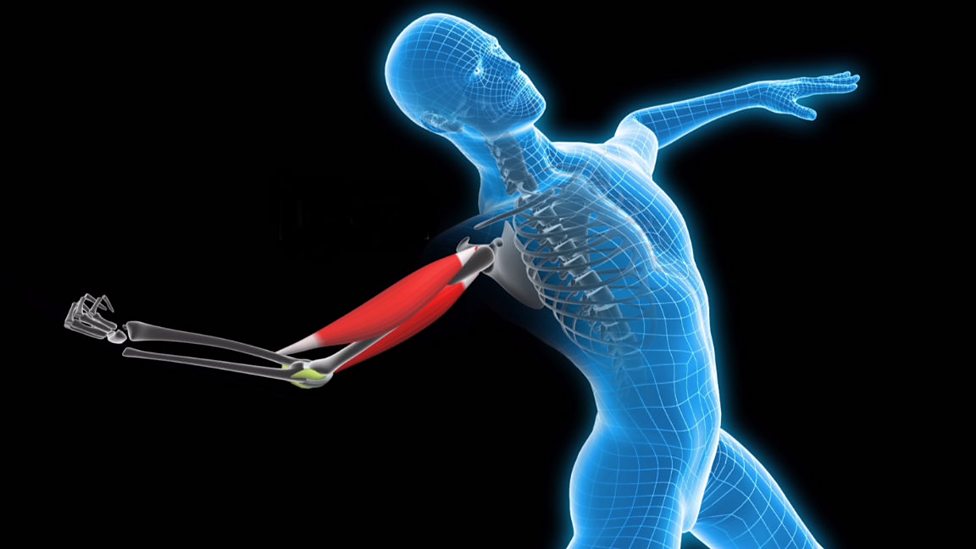
Muscles attach to bones through tendons. Together, they create movement at joints.
Blood Cell Production
Bone marrow produces red blood cells, white blood cells, and platelets.
Mineral Storage
Bones store calcium and phosphorus, which are released when the body requires them.
Fat Storage
Yellow bone marrow stores energy in the form of fat.
These functions demonstrate why understanding how many bones in the human body is only one aspect of appreciating the skeletal system’s importance.
The Strongest and Smallest Bones
The skeleton contains bones with remarkable variations in size and strength.
Strongest Bone
The femur is the strongest bone in the human body. It supports body weight and withstands tremendous force during activities such as walking, running, and jumping.
Smallest Bone
The stapes, located in the middle ear, measures only a few millimeters. Despite its tiny size, it plays a crucial role in hearing.
This diversity showcases the incredible specialization of skeletal structures.
How Bones Grow and Develop
Bone development begins before birth and continues into early adulthood.
Children experience rapid skeletal growth through specialized regions called growth plates. These plates consist of cartilage that gradually transforms into bone tissue.
During adolescence, hormones stimulate accelerated bone growth. Eventually, growth plates close, marking the end of height increases.
Understanding growth helps explain why the answer to how many bones in the human body changes from infancy to adulthood.
Bone Remodeling Throughout Life
Bones constantly undergo remodeling, a process involving the removal of old bone tissue and the creation of new tissue.
Specialized cells called osteoclasts break down old bone, while osteoblasts build new bone.
This continuous cycle helps:
- Repair microscopic damage
- Adapt to physical activity
- Maintain mineral balance
- Preserve bone strength
Even though bones appear solid and permanent, they are living structures that constantly renew themselves.
Common Bone Disorders
Maintaining skeletal health is essential because bones can be affected by various conditions.
Osteoporosis
Osteoporosis causes bones to become weak and fragile, increasing fracture risk.
Arthritis
Although primarily affecting joints, arthritis can impact surrounding bone structures and mobility.
Fractures
Broken bones are common injuries that occur due to trauma, accidents, or weakened bone tissue.
Scoliosis
This condition causes abnormal curvature of the spine, affecting posture and skeletal alignment.
Proper nutrition, exercise, and medical care help reduce the risk of many bone-related disorders.
How to Keep Bones Healthy
Strong bones require lifelong care.
A balanced diet rich in calcium and vitamin D supports bone formation and maintenance. Regular weight-bearing exercise stimulates bone growth and density.
Healthy habits include:
- Consuming dairy products or calcium-rich foods
- Getting adequate sunlight exposure
- Engaging in physical activity
- Avoiding smoking
- Limiting excessive alcohol consumption
These practices contribute to long-term skeletal strength and overall well-being.
Interesting Facts About the Human Skeleton

The human skeleton contains numerous fascinating characteristics.
The average adult skeleton accounts for approximately 15 percent of total body weight. Bones are stronger than many people realize and can withstand substantial pressure.
Another surprising fact is that the hands and feet contain over half of the body’s bones combined. This concentration allows for precise movements and balance.
When discussing how many bones in the human body, many people are surprised to learn that bone count decreases with age due to fusion rather than bone loss.
The skeletal system also works closely with the muscular and nervous systems, making movement and coordination possible.
Key Takeaways
Understanding how many bones in the human body provides valuable insight into human anatomy and health.
- Adults typically have 206 bones.
- Newborns are born with approximately 270 bones.
- Many bones fuse during growth and development.
- The skeleton is divided into axial and appendicular sections.
- Bones protect organs, enable movement, produce blood cells, and store minerals.
- Bone health depends on proper nutrition, exercise, and lifestyle choices.
- The femur is the strongest bone, while the stapes is the smallest.
Frequently Asked Questions
1. How many bones does an adult human have?
An adult human typically has 206 bones distributed throughout the body.
2. Why do babies have more bones than adults?
Babies are born with approximately 270 bones, many of which fuse together as they grow.
3. Which bone is the longest in the body?
The femur, located in the thigh, is the longest and strongest bone in the human body.
4. Which bone is the smallest?
The stapes bone in the middle ear is the smallest bone in the human body.
5. Do men and women have the same number of bones?
Yes, adult men and women generally have the same number of bones, although bone size and density may differ.
6. Can bone count vary between individuals?
Minor variations can occur due to anatomical differences, extra ribs, or congenital conditions.
7. At what age do bones stop growing?
Most growth plates close during the late teenage years or early twenties, ending significant skeletal growth.
Conclusion
The question of how many bones in the human body may seem simple, but the answer reveals a fascinating story of growth, adaptation, and biological engineering. While adults generally have 206 bones, the journey begins with approximately 270 bones at birth, many of which gradually fuse to create a stronger and more efficient skeleton.
Beyond providing structure, bones protect vital organs, facilitate movement, store minerals, and produce blood cells. Their ability to grow, repair, and remodel makes them living tissues essential to overall health. By understanding the skeletal system and adopting habits that support bone strength, individuals can maintain mobility, independence, and well-being throughout life.
The human skeleton is far more than a framework—it is a dynamic and remarkable system that supports every aspect of human movement and survival.

