

Starting a healthier way of living can feel overwhelming, especially when there is so much information available online. Many beginners believe they need to make dramatic changes overnight, but the truth is that small and consistent improvements often produce the best results. A healthy lifestyle is not about perfection, strict diets, or spending hours at the gym. Instead, it is about creating sustainable habits that support your physical, mental, and emotional well-being.
Whether your goal is to improve energy levels, maintain a healthy weight, reduce stress, or simply feel better each day, adopting positive habits can make a significant difference. The key is to start with manageable steps and gradually build a routine that fits your daily life. When healthy choices become part of your regular schedule, they feel less like chores and more like natural behaviors.
This guide provides practical and beginner-friendly advice to help you develop a healthy lifestyle that you can maintain for years to come.
Understanding What a Healthy Lifestyle Means
A healthy lifestyle is a balanced approach to living that supports overall wellness. It includes nutritious eating, regular physical activity, quality sleep, stress management, hydration, and maintaining positive relationships. These elements work together to improve both physical and mental health.
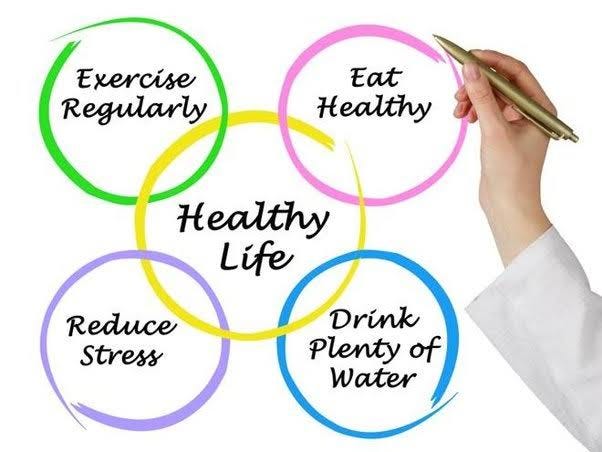
Many people focus only on diet or exercise when trying to become healthier. While these are important, true wellness involves multiple aspects of life. For example, sleeping well helps your body recover, while managing stress can improve mood and reduce the risk of health problems.
The journey toward a healthy lifestyle should be personalized. Everyone has different goals, schedules, and preferences. What works for one person may not work for another. Instead of comparing yourself to others, focus on making gradual improvements that align with your needs and circumstances.
The most successful lifestyle changes are those that are realistic and sustainable. Small daily actions, repeated consistently, create long-lasting results and help establish healthier habits over time.
Why Beginners Should Focus on Small Changes
One of the biggest mistakes beginners make is trying to change everything at once. This often leads to frustration and burnout. Instead, focus on making one or two improvements at a time.
For example, if you rarely drink water, start by adding an extra glass each day. If you do not exercise regularly, begin with a short 15-minute walk. These simple actions may seem small, but they can have a powerful cumulative effect.
Small changes are easier to maintain because they require less effort and adjustment. As these habits become part of your routine, you can gradually add new healthy behaviors. This step-by-step approach builds confidence and reduces the likelihood of giving up.
Remember that progress is more important than perfection. Missing a workout or enjoying an occasional treat does not mean you have failed. A healthy lifestyle is built on consistency over time, not on being perfect every day.
Building Healthy Eating Habits
Nutrition plays a major role in overall health. The foods you eat provide the energy and nutrients your body needs to function properly. Beginners should focus on improving food quality rather than following restrictive diets.
A balanced diet includes fruits, vegetables, whole grains, lean proteins, and healthy fats. These foods supply vitamins, minerals, fiber, and other essential nutrients that support good health.
Simple Nutrition Tips for Beginners
- Eat more fresh fruits and vegetables.
- Choose whole grains instead of refined grains.
- Include protein with each meal.
- Limit sugary drinks and processed snacks.
- Practice portion control.
- Cook more meals at home.
Instead of eliminating favorite foods, focus on moderation. Healthy eating should be enjoyable and sustainable. When you make nutritious choices most of the time, occasional treats can still fit into your routine without affecting your overall progress.
Developing healthier eating habits is one of the most effective ways to support a healthy lifestyle and improve long-term well-being.
The Importance of Staying Hydrated
Water is essential for nearly every function in the body. It helps regulate temperature, transport nutrients, support digestion, and maintain energy levels. Yet many people do not drink enough water throughout the day.
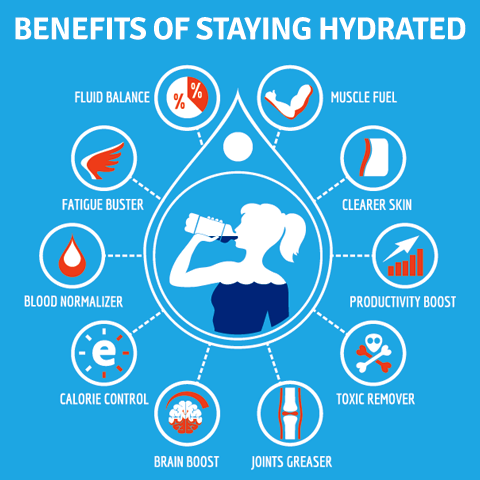
Dehydration can lead to fatigue, headaches, poor concentration, and reduced physical performance. Fortunately, staying hydrated is one of the simplest health habits you can develop.
A good starting goal is to drink water regularly throughout the day rather than waiting until you feel thirsty. Carrying a reusable water bottle can serve as a helpful reminder. You can also increase hydration by eating water-rich foods such as cucumbers, oranges, watermelon, and lettuce.
If you frequently consume sugary beverages, try gradually replacing them with water, herbal tea, or other low-calorie alternatives. These small changes can reduce excess sugar intake and improve overall health.
Proper hydration supports every aspect of a healthy lifestyle and helps your body perform at its best.
Getting Started with Regular Exercise
Physical activity is one of the most powerful tools for improving health. Regular exercise strengthens the heart, muscles, and bones while enhancing mood and reducing stress.
The good news is that beginners do not need intense workouts to experience benefits. Moderate activity performed consistently can significantly improve health and fitness.
Beginner-Friendly Exercise Options
| Activity | Benefits | Recommended Duration |
|---|---|---|
| Walking | Improves cardiovascular health | 20–30 minutes daily |
| Cycling | Builds endurance and leg strength | 20–45 minutes |
| Swimming | Low-impact full-body workout | 20–40 minutes |
| Yoga | Improves flexibility and relaxation | 15–30 minutes |
| Bodyweight Exercises | Builds strength without equipment | 15–30 minutes |
Choose activities that you genuinely enjoy. Exercise should not feel like punishment. When physical activity is enjoyable, you are more likely to stick with it long term.
Aim for gradual improvement rather than immediate perfection. Consistency matters far more than intensity when building a healthy lifestyle.
Prioritizing Quality Sleep
Sleep is often overlooked, but it is one of the most important aspects of overall health. During sleep, the body repairs tissues, strengthens the immune system, and processes information from the day.
Most adults need between seven and nine hours of quality sleep each night. Unfortunately, busy schedules, excessive screen time, and stress can interfere with healthy sleep patterns.

Creating a consistent bedtime routine can improve sleep quality. Try going to bed and waking up at the same time every day, even on weekends. Reduce exposure to screens before bedtime and create a comfortable sleep environment that is cool, dark, and quiet.
Poor sleep can affect energy levels, mood, concentration, and appetite. By prioritizing rest, you support both physical and mental health while making it easier to maintain other healthy habits.
A healthy lifestyle is difficult to sustain without adequate sleep, making rest a crucial part of your wellness journey.
Managing Stress Effectively
Stress is a natural part of life, but chronic stress can negatively impact health. Long-term stress may contribute to anxiety, sleep problems, high blood pressure, and weakened immunity.
Learning how to manage stress effectively can improve both mental and physical well-being. The goal is not to eliminate stress completely but to develop healthy coping strategies.
Effective Stress Management Techniques
- Deep breathing exercises
- Meditation and mindfulness
- Regular physical activity
- Spending time in nature
- Journaling thoughts and feelings
- Listening to calming music
- Practicing gratitude
Even a few minutes of relaxation each day can help reduce stress levels. Consistent stress management supports emotional balance and contributes to a healthy lifestyle that feels sustainable and enjoyable.
Developing Healthy Daily Routines
Healthy habits become easier when they are incorporated into a daily routine. Structure reduces decision fatigue and helps healthy behaviors become automatic.
Start by identifying areas where small improvements can be made. For example, you might begin your morning with a glass of water, take a short walk during lunch, or prepare healthy snacks in advance.
Successful routines are simple and realistic. Trying to create an overly complicated schedule often leads to frustration. Instead, focus on habits that fit naturally into your existing lifestyle.
Over time, these daily actions become second nature. The consistency of healthy routines often produces greater results than occasional bursts of motivation. Establishing positive habits is one of the most effective ways to maintain a healthy lifestyle for the long term.
The Role of Mental Health in Wellness
Physical health and mental health are closely connected. Taking care of your emotional well-being is just as important as exercising and eating nutritious foods.

Positive mental health helps you cope with challenges, maintain relationships, and enjoy daily life. Beginners should make self-care a priority rather than viewing it as a luxury.
Activities such as reading, spending time with loved ones, pursuing hobbies, and practicing gratitude can support emotional wellness. Limiting negative influences and maintaining healthy boundaries can also improve mental health.
If feelings of stress, anxiety, or sadness become overwhelming, seeking professional support is a positive and proactive step. Mental wellness is an essential component of a healthy lifestyle and should never be ignored.
Avoiding Common Beginner Mistakes
Many people start their health journey with enthusiasm but struggle because of unrealistic expectations. Understanding common mistakes can help you stay on track.
Some of the most frequent errors include:
- Setting goals that are too ambitious.
- Following extreme diets.
- Exercising too intensely too soon.
- Comparing progress with others.
- Expecting immediate results.
- Ignoring sleep and stress management.
The most successful health transformations happen gradually. Focus on sustainable habits rather than quick fixes. Remember that health is a lifelong journey, not a short-term project.
Patience and consistency will help you overcome obstacles and build lasting habits that support overall wellness.
Tracking Progress and Staying Motivated
Monitoring your progress can help maintain motivation and reinforce positive behaviors. Tracking does not have to be complicated. A simple journal, calendar, or smartphone app can be enough.
Instead of focusing solely on weight or appearance, consider tracking a variety of indicators, such as:
- Daily water intake
- Exercise frequency
- Sleep duration
- Energy levels
- Mood improvements
- Healthy meals consumed
Celebrating small achievements helps build confidence and keeps you motivated. Every positive choice contributes to your long-term success.
Remember that setbacks are normal. Missing a workout or eating an unhealthy meal occasionally does not erase your progress. Simply return to your routine and continue moving forward.
Conclusion
Adopting a healthy lifestyle does not require dramatic changes or perfect habits. Success comes from making small, consistent improvements that fit naturally into your daily routine. By focusing on balanced nutrition, regular exercise, proper hydration, quality sleep, stress management, and mental wellness, beginners can create a strong foundation for lifelong health.

