
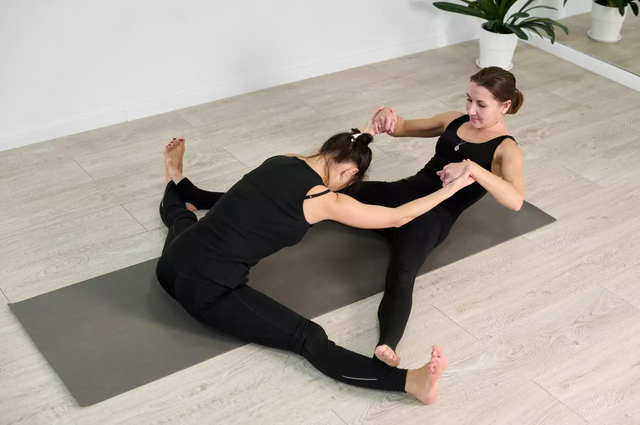
Many people search for ways to become taller, especially during their teenage years or early adulthood. While genetics determine the majority of a person’s height, maintaining proper posture, improving spinal flexibility, strengthening muscles, and following a healthy lifestyle can significantly influence how tall you appear. This is where a well-planned height increase exercise routine becomes beneficial. Although exercise cannot lengthen bones after the growth plates close, it can improve posture, decompress the spine, and help you reach your maximum natural height potential.
In today’s lifestyle, many people spend long hours sitting at desks, using smartphones, or working on computers. These habits often lead to rounded shoulders, poor posture, and spinal compression, making individuals appear shorter than they actually are. Regular stretching and strengthening exercises help counter these effects by improving flexibility, balance, and muscle alignment.
If you’re still in your growing years, combining proper nutrition, quality sleep, and regular physical activity may support healthy bone development. Adults can also benefit from these exercises by improving posture, reducing stiffness, and enhancing confidence. This guide explains how a height increase exercise routine works, which exercises are most effective, and what realistic results you can expect.
Understanding Height Growth
Height depends on several factors, with genetics contributing approximately 60% to 80% of your final adult height. Nutrition, hormonal balance, sleep quality, and physical activity make up the remaining influence. During childhood and adolescence, growth plates located at the ends of long bones remain open, allowing bones to lengthen naturally. Once these growth plates close—usually in the late teens or early twenties—bone length no longer increases.
Although exercise cannot reopen closed growth plates, it plays an important role in improving posture and spinal health. Poor posture compresses the spine and causes rounded shoulders, making people look shorter than they actually are. Stretching and strengthening exercises restore proper alignment, allowing the spine to maintain its natural curves and helping you stand taller.
Can Height Increase Exercise Really Make You Taller?
One of the biggest misconceptions online is that exercises can dramatically increase height in adults. Scientific evidence shows that no exercise can permanently lengthen adult bones after skeletal maturity. However, a structured height increase exercise routine offers several benefits that can create the appearance of increased height.
Stretching improves flexibility in the muscles and ligaments surrounding the spine. Core strengthening supports proper posture throughout the day. Hanging exercises temporarily decompress the spine, reducing pressure between vertebrae. Yoga poses help improve body alignment and mobility. Together, these improvements may help individuals appear one to two inches taller by correcting posture rather than increasing bone length.
For teenagers whose growth plates remain open, regular exercise combined with healthy habits supports optimal physical development and may help them achieve their genetically determined height.
Benefits of Height Increase Exercise
Besides improving posture, these exercises offer several physical and mental health benefits that contribute to overall well-being.
- Improves posture and spinal alignment.
- Increases flexibility and joint mobility.
- Strengthens core and back muscles.
- Reduces stiffness caused by prolonged sitting.
- Enhances balance, confidence, and body awareness.
These benefits make regular stretching worthwhile even if your primary goal is not increasing height.
Best Height Increase Exercise Routine
Hanging Exercise
Dead hangs are among the most recommended exercises for spinal decompression. Hanging from a pull-up bar allows gravity to gently stretch the spine while reducing compression between vertebrae. Although the effect is temporary, consistent practice improves flexibility and posture.
Hold the bar with both hands slightly wider than shoulder-width apart. Relax your body while keeping your shoulders engaged. Hang for 20 to 30 seconds and gradually increase your duration as your grip strength improves. Repeat several times during your workout.
Cobra Stretch
The Cobra Stretch is widely practiced in yoga because it stretches the abdominal muscles while extending the spine. It helps reduce tightness caused by prolonged sitting and improves spinal mobility.
Lie face down with your palms beneath your shoulders. Slowly push your upper body upward while keeping your hips on the floor. Lift until you feel a comfortable stretch along the front of your body. Hold for 20 to 30 seconds before returning to the starting position.
Cat-Cow Stretch
The Cat-Cow Stretch improves spinal flexibility by moving the back through its full range of motion. This exercise is especially beneficial for people with desk jobs who experience stiffness in the neck and lower back.
Begin on your hands and knees. Inhale while lowering your stomach and lifting your head. Exhale while rounding your back and tucking your chin toward your chest. Continue this smooth movement for one to two minutes.
Forward Bend Stretch
Standing forward bends stretch the hamstrings, calves, and lower back while improving flexibility throughout the posterior chain. Greater flexibility supports healthier posture and better spinal mobility.
Stand with your feet together and slowly bend forward from your hips. Keep your knees slightly bent if necessary. Allow your upper body to relax and hold the stretch comfortably before returning upright.
Swimming
Swimming is often considered one of the best full-body activities for posture and flexibility. Water reduces stress on joints while allowing muscles to work through a large range of motion. Freestyle and backstroke are particularly effective because they strengthen the shoulders, back, and core while encouraging spinal extension.
Jump Rope
Skipping rope improves cardiovascular fitness, strengthens the lower body, and develops coordination. For growing teenagers, it supports healthy bone development by providing weight-bearing activity, while adults benefit from improved posture and muscular endurance.
Yoga for Better Posture
Several yoga poses improve flexibility and body alignment. Poses such as Mountain Pose, Downward Dog, Triangle Pose, and Child’s Pose encourage proper posture and increase awareness of spinal positioning. Regular yoga practice also helps reduce muscle tension and improve breathing patterns.

Weekly Height Increase Exercise Plan
| Exercise | Duration | Frequency | Primary Benefit |
|---|---|---|---|
| Hanging | 20–30 seconds × 4 sets | 4–5 days/week | Spinal decompression |
| Cobra Stretch | 30 seconds × 3 sets | Daily | Spine flexibility |
| Cat-Cow Stretch | 2 minutes | Daily | Mobility |
| Forward Bend | 30 seconds × 3 sets | Daily | Flexibility |
| Swimming | 30–45 minutes | 2–3 days/week | Full-body conditioning |
| Jump Rope | 10–15 minutes | 3–4 days/week | Bone strength |
| Yoga Session | 20–30 minutes | 3–5 days/week | Posture improvement |
Lifestyle Habits That Support Natural Height
A successful height increase exercise routine works best when combined with healthy daily habits. Nutrition remains one of the most important factors during childhood and adolescence. Protein supports muscle development, calcium strengthens bones, vitamin D improves calcium absorption, and minerals like magnesium and phosphorus contribute to skeletal health.
Quality sleep is equally essential because growth hormone is primarily released during deep sleep. Teenagers should aim for eight to ten hours of sleep each night, while adults should maintain seven to nine hours for optimal recovery and overall health.
Hydration, stress management, and maintaining a healthy body weight also contribute to better posture and physical performance. Excess body weight places additional pressure on the spine and joints, potentially affecting posture over time.
Common Mistakes to Avoid
Many people become discouraged because they expect unrealistic results from a height increase exercise program. Understanding common mistakes can help you achieve the best possible outcome.
- Expecting permanent height gains after adulthood.
- Following inconsistent exercise routines.
- Ignoring nutrition and sleep quality.
- Performing stretches with poor technique.
Avoiding these mistakes allows you to enjoy the full benefits of improved posture, flexibility, and overall physical fitness.
How Long Does It Take to Notice Results?
Consistency is more important than intensity. Most people notice improvements in flexibility within two to four weeks of regular exercise. Better posture often becomes visible after four to eight weeks, particularly when stretching is combined with core strengthening exercises.
Adults may appear slightly taller because improved posture allows the spine to remain properly aligned throughout the day. Teenagers who continue growing naturally may experience greater overall improvements when healthy habits are maintained over several years.
Who Should Try Height Increase Exercise?
Almost anyone can benefit from a height increase exercise routine regardless of age. Teenagers can use these exercises to support healthy development alongside balanced nutrition and sufficient sleep. Adults can improve posture, reduce back discomfort, and increase flexibility, even though permanent bone growth is no longer possible.
People with chronic back pain, spinal injuries, osteoporosis, or medical conditions affecting mobility should consult a healthcare professional before beginning any new exercise program. Proper guidance ensures that exercises are performed safely and effectively.

FAQs
Is height increase exercise effective after 18?
A height increase exercise routine cannot lengthen bones after growth plates have closed. However, it can improve posture, strengthen the core, reduce spinal compression, and help you appear taller by maximizing your natural alignment.
Which exercise is best for increasing height naturally?
There is no single exercise that permanently increases height, but hanging exercises, Cobra Stretch, Cat-Cow Stretch, swimming, and yoga are among the most effective for improving posture, spinal flexibility, and overall body alignment.
Can adults become taller through exercise?
Adults cannot permanently increase bone length through exercise. They can, however, improve posture, spinal health, and flexibility, which may create the appearance of additional height.
How often should I perform height increase exercises?
Most stretching exercises can be performed daily, while strength training, swimming, and cardio activities can be included three to five times per week. Consistency is the key to achieving lasting posture improvements.
Does sleep affect height growth?
Yes. During childhood and adolescence, growth hormone is primarily released during deep sleep, making sufficient sleep an important factor in healthy growth and development. Adults also benefit from adequate sleep for muscle recovery and spinal health.
Can poor posture make you look shorter?
Yes. Slouching compresses the spine and rounds the shoulders, reducing your apparent height. Correcting posture through regular stretching and strengthening exercises can help you stand taller and feel more confident.
Conclusion
A well-designed height increase exercise routine is an excellent way to improve posture, flexibility, spinal health, and overall physical fitness. While scientific evidence confirms that adults cannot permanently increase bone length after skeletal maturity, consistent exercise can help maximize natural posture, making you appear taller and more confident. Teenagers benefit even more when these exercises are combined with nutritious food, adequate sleep, and an active lifestyle that supports healthy growth.
Read More:-Dead Bug Exercise: Benefits, Proper Form & Core Strength Guide

