

What are bird dog exercise?
The bird dog exercise is a core-strengthening movement that improves balance, posture, and spinal stability using your body weight.
What muscles does the bird dog exercise work?
It targets the core, lower back, glutes, shoulders, and hip stabilizers, helping improve overall functional strength.
What are the benefits of bird dog exercise?
Bird dog exercise improves core stability, balance, coordination, posture, and helps reduce the risk of lower back pain.
Introduction
Many people spend hours sitting at desks, driving, or looking down at screens, which often leads to poor posture, weak core muscles, and recurring lower back discomfort. While intense workouts can improve fitness, they are not always the best solution for developing stability and protecting the spine. Sometimes, a simple movement performed correctly can deliver impressive results.
One of the most effective bodyweight exercises for improving functional strength is the bird dog movement. It targets multiple muscle groups simultaneously without placing excessive stress on the joints. Fitness professionals, physiotherapists, and athletic trainers frequently recommend this exercise because it enhances posture, balance, coordination, and spinal control.
Whether your goal is injury prevention, athletic performance, or everyday mobility, adding this exercise to your routine can help build a stronger and more stable body.
Quick Summary
- Strengthens the core, lower back, glutes, shoulders, and hip muscles.
- Improves posture, coordination, balance, and spinal stability.
- Suitable for beginners, seniors, athletes, and rehabilitation programs.
- Requires no equipment and can be performed almost anywhere.
Bird Dog Exercise: Benefits, Technique, and Why It Works
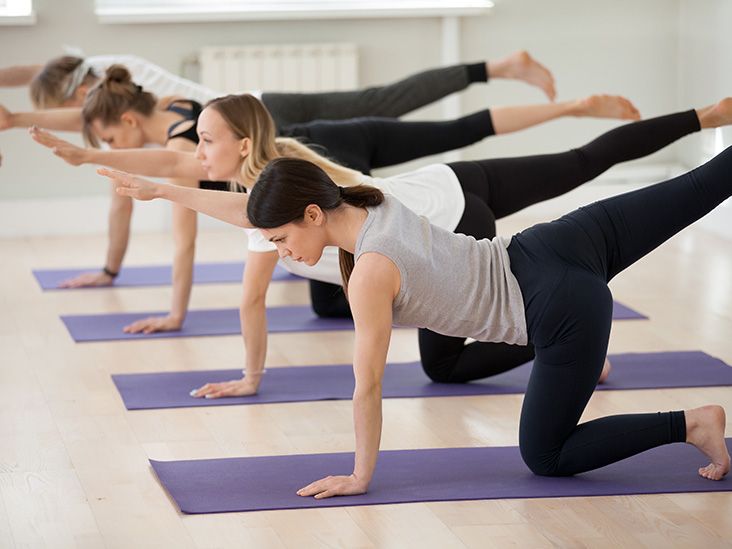
The bird dog exercise is a classic core stabilization movement performed from an all-fours position. You simultaneously extend one arm and the opposite leg while maintaining a neutral spine and steady hips. Unlike exercises that focus only on abdominal muscles, this movement trains the entire posterior chain and deep core muscles responsible for spinal support.
Modern rehabilitation and sports science emphasize stability before strength. Instead of producing large movements, the body learns to resist unnecessary motion while maintaining proper alignment. This is exactly why the bird dog remains one of the most recommended exercises in physical therapy and functional fitness programs.
Major Benefits
One of the biggest advantages of this movement is that it trains multiple muscle groups together rather than isolating individual muscles. This creates better coordination during everyday activities like walking, lifting objects, climbing stairs, and playing sports.
Regular practice can provide numerous benefits:
- Improved core strength and spinal stability
- Better balance, posture, and body alignment
- Reduced risk of lower back injuries
- Increased hip mobility and shoulder stability
Studies on core stabilization programs suggest that consistent training improves trunk control, functional movement, and balance, particularly in individuals with sedentary lifestyles and older adults.
Muscles Worked
Although the movement appears simple, it activates several important muscles simultaneously.
| Muscle Group | Primary Function |
|---|---|
| Core muscles | Stabilize the spine |
| Glutes | Hip extension and pelvic stability |
| Lower back (erector spinae) | Maintain posture |
| Shoulders | Stabilize upper body |
| Hip stabilizers | Improve balance |
| Abdominals | Resist trunk rotation |
This coordinated muscle activation explains why athletes often include bird dogs in warm-up routines before heavier strength training sessions.
How to Perform It Correctly
Start on your hands and knees with your wrists directly beneath your shoulders and knees beneath your hips. Tighten your abdominal muscles and keep your back flat.
Slowly extend your right arm forward while stretching your left leg behind you. Keep your hips level and avoid rotating your torso. Pause briefly before returning to the starting position in a controlled manner. Repeat on the opposite side.
Move slowly throughout the exercise. Quality matters far more than speed because stability is the primary objective.
Proper breathing also plays an important role. Exhale while extending your arm and leg, then inhale as you return to the starting position. Controlled breathing improves core activation and helps maintain spinal alignment.
Variations for Different Fitness Levels
Beginners should first master maintaining a neutral spine before progressing to more advanced versions. Practicing with shorter holds can improve confidence and control.
Intermediate exercisers can pause for several seconds at full extension or perform slow repetitions to increase time under tension. Resistance bands may also be added to challenge shoulder and hip stability.
Advanced athletes often incorporate weighted bird dogs, unstable surfaces, or dynamic movements to further improve neuromuscular control, proprioception, and athletic performance.
Real-Life Example
Imagine an office employee who spends nearly eight hours sitting each day. Over time, weak abdominal muscles and inactive glutes contribute to poor posture and occasional lower back discomfort. After incorporating bird dogs into a daily ten-minute mobility routine for several weeks, they notice improved posture, better balance, and reduced stiffness during long workdays.
This simple example illustrates how consistent practice can support everyday movement without requiring expensive equipment or lengthy workouts.
Pros and Cons
Pros
- Improves functional core strength
- Beginner-friendly and low impact
- Supports injury prevention
- Requires no equipment
- Enhances coordination and balance
Cons
- Limited calorie burn
- Requires proper technique for maximum effectiveness
- Progress may feel slow compared to dynamic exercises
- Advanced athletes eventually need additional resistance
Expert Tips
- Keep your neck aligned with your spine.
- Engage your abdominal muscles throughout every repetition.
- Focus on slow, controlled movement instead of speed.
- Maintain level hips and avoid twisting your torso.
Common Mistakes
- Arching the lower back.
- Raising the leg too high.
- Holding your breath.
- Moving too quickly.
- Looking upward instead of keeping the neck neutral.
Who Should Use This Exercise?
This movement is appropriate for almost everyone because it is easily modified to suit different fitness levels. Beginners can develop foundational stability before progressing to more demanding workouts. Athletes benefit from improved movement efficiency and balance, while older adults often use it to maintain mobility and reduce fall risk. Individuals recovering from certain back conditions may also perform it under professional supervision as part of a rehabilitation program.
Current Fitness Insights
Fitness professionals increasingly prioritize movement quality over exercise complexity. According to recent industry trends, functional training continues to rank among the most popular workout methods because it improves everyday movement patterns rather than focusing solely on appearance.
Research also indicates that consistent core stability exercises can improve balance, posture, and movement efficiency while reducing the likelihood of recurring lower back discomfort in many healthy adults.

FAQs
Is the bird dog exercise suitable for beginners?
Yes. It is considered one of the safest and most effective beginner-friendly core stability exercises because it focuses on control rather than heavy resistance.
Can this exercise reduce lower back pain?
When performed correctly and recommended by a healthcare professional, it may help improve spinal stability and reduce discomfort associated with weak core muscles.
How often should I include it in my workouts?
Two to four sessions per week are sufficient for most people, although it can also be used daily as part of a warm-up or mobility routine.
Should I use weights?
Beginners should first master bodyweight form. Additional resistance should only be introduced after developing excellent stability and balance.
How long should I hold each repetition?
Holding the extended position for two to five seconds usually provides sufficient muscle activation while maintaining proper technique.
Summary Recap
The bird dog is a highly effective functional movement that strengthens the core, glutes, shoulders, and lower back while improving posture, coordination, and overall stability. Because it requires no equipment and places minimal stress on the joints, it fits easily into nearly every fitness routine. Consistent practice, proper technique, and gradual progression are the keys to long-term success.
Conclusion
Adding the bird dog exercise to your weekly workouts is one of the simplest ways to build a stronger core, improve balance, and support long-term spinal health. Whether you’re beginning your fitness journey, returning after an injury, or looking to enhance athletic performance, this versatile movement offers lasting benefits through consistent practice and proper form.
Read More:-Leg Raises Exercise: Benefits, Form, Muscles & Tips

