

Core training has evolved significantly over the past few years. Instead of focusing only on traditional crunches or sit-ups, fitness experts now emphasize exercises that build functional strength while protecting the spine. One movement that has gained widespread popularity among physiotherapists, personal trainers, and athletes is the dead bug exercise. Despite its unusual name, this simple bodyweight movement is considered one of the safest and most effective ways to strengthen the deep core muscles.
Whether your goal is improving athletic performance, reducing lower back discomfort, enhancing posture, or building a stronger foundation for everyday movements, this exercise deserves a place in your workout routine. It requires no equipment, can be performed almost anywhere, and is suitable for beginners as well as advanced fitness enthusiasts.
In today’s fitness landscape, where long hours of sitting and poor posture have become common, exercises that improve spinal stability are more important than ever. The dead bug exercise trains your body to stabilize the spine while moving the arms and legs independently, making it highly beneficial for daily activities, sports performance, and injury prevention.
What Is the Dead Bug Exercise?
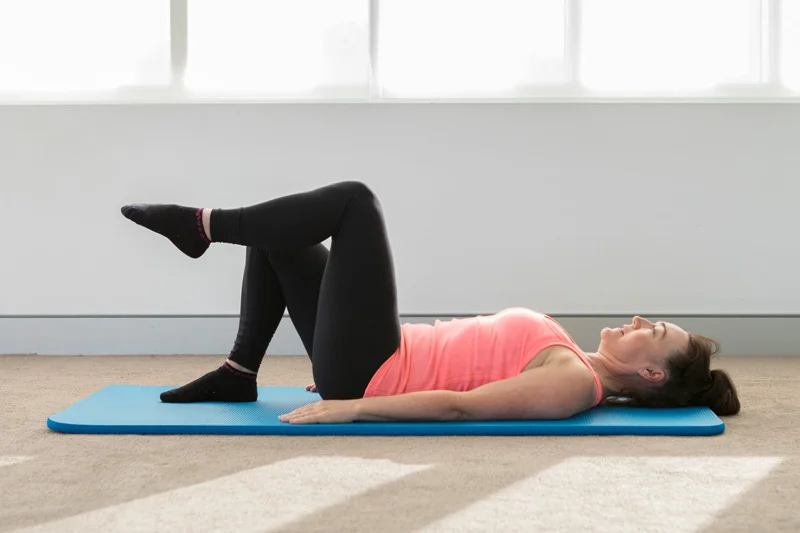
The dead bug exercise is a core stability movement performed while lying on your back with your arms extended toward the ceiling and your hips and knees bent at approximately 90 degrees. From this starting position, you slowly extend one arm and the opposite leg while keeping your lower back pressed against the floor. After returning to the starting position, you repeat the movement on the opposite side.
Unlike exercises that rely on repeated spinal bending, this movement teaches the abdominal muscles to resist unnecessary movement. This approach strengthens the deep stabilizing muscles responsible for protecting the lower back and maintaining proper posture. Because of its low-impact nature, it is frequently recommended during rehabilitation programs, athletic training, and general fitness routines.
The exercise also reinforces coordination between the upper and lower body. Every repetition requires controlled breathing, balance, and concentration, helping improve movement quality rather than simply increasing muscle fatigue.
Why Is This Exercise So Effective?
Many traditional abdominal exercises mainly target the superficial abdominal muscles. However, a strong core involves much more than visible abs. The body depends on deep stabilizing muscles to support the spine during walking, lifting, running, and countless daily movements.
The dead bug exercise activates these deeper muscles without placing excessive stress on the lumbar spine. It teaches your body to maintain a neutral spine while your limbs move independently, a movement pattern that closely resembles real-life activities.
Modern rehabilitation and sports training programs increasingly prioritize core stability over repetitive spinal flexion. As a result, this exercise has become a standard recommendation for office workers, older adults, athletes, and individuals recovering from mild lower back issues under professional guidance.
Muscles Worked During the Exercise
Although it appears simple, this movement recruits multiple muscle groups simultaneously.
| Muscle Group | Role During the Exercise |
|---|---|
| Rectus Abdominis | Stabilizes the torso and prevents excessive spinal movement. |
| Transverse Abdominis | Provides deep core stability and spinal support. |
| Internal and External Obliques | Control rotation and maintain balance. |
| Hip Flexors | Assist controlled leg movement. |
| Pelvic Floor Muscles | Support pelvic stability and core control. |
| Lower Back Stabilizers | Help maintain a neutral spine throughout the movement. |
| Shoulder Stabilizers | Keep the arms steady during extension. |
The combination of these muscles creates a stable trunk, which serves as the foundation for efficient movement throughout the body.
How to Perform the Dead Bug Exercise Correctly
Proper technique is far more important than speed or repetition count. Begin by lying flat on your back on an exercise mat. Raise both arms straight above your shoulders while lifting your legs so your hips and knees each form a 90-degree angle.
Before moving, gently tighten your abdominal muscles and press your lower back toward the floor. Slowly extend your right arm behind your head while simultaneously lowering your left leg toward the floor. Move only as far as you can without allowing your lower back to arch. Pause briefly before returning to the starting position, then repeat using the opposite arm and leg.
Focus on slow, deliberate movements rather than rushing through repetitions. Controlled breathing also plays an important role. Exhale as you extend your arm and leg, then inhale while returning to the starting position.
Benefits of the Dead Bug Exercise
The growing popularity of this exercise is supported by its wide range of practical benefits. Unlike many traditional abdominal exercises that primarily target appearance, this movement develops strength that translates directly into everyday activities.
Some of its major benefits include:
- Improves core stability and balance.
- Helps support and protect the lower back.
- Enhances posture during sitting, standing, and walking.
- Increases coordination between the upper and lower body.
- Suitable for nearly all fitness levels with minimal equipment.
A stronger core improves movement efficiency throughout the body. Whether lifting groceries, climbing stairs, running, or participating in sports, improved trunk stability reduces unnecessary strain on the spine and joints.
Common Mistakes to Avoid
Even though the exercise appears straightforward, several common errors can reduce its effectiveness or increase discomfort.
- Allowing the lower back to lift off the floor.
- Moving the arms and legs too quickly.
- Holding your breath during repetitions.
- Extending the limbs farther than your current mobility allows.
- Losing abdominal tension before completing each repetition.
Correcting these mistakes often makes the exercise feel more challenging because the core muscles perform the work instead of momentum.
Who Should Perform This Exercise?
One of the greatest strengths of this movement is its versatility. It fits into nearly every type of fitness program because it emphasizes controlled movement instead of heavy resistance.
Beginners often use it to learn proper core engagement before progressing to more advanced exercises. Office workers benefit from improved posture after spending long hours sitting at desks. Athletes use it to enhance trunk stability, which contributes to better performance in running, lifting, throwing, and jumping activities.
Older adults may also include this movement in their fitness routine to improve balance and coordination, provided they receive appropriate instruction when needed. Individuals recovering from certain lower back conditions frequently perform this exercise under the guidance of healthcare professionals because it places minimal stress on the spine compared to many traditional abdominal exercises.
Variations to Increase Difficulty
Once the standard movement becomes comfortable, several variations can make the exercise more challenging while maintaining proper technique.
Holding a light resistance band between the hands increases shoulder stability demands. Small ankle weights may add resistance to the leg movement, though they should only be introduced after mastering bodyweight control.
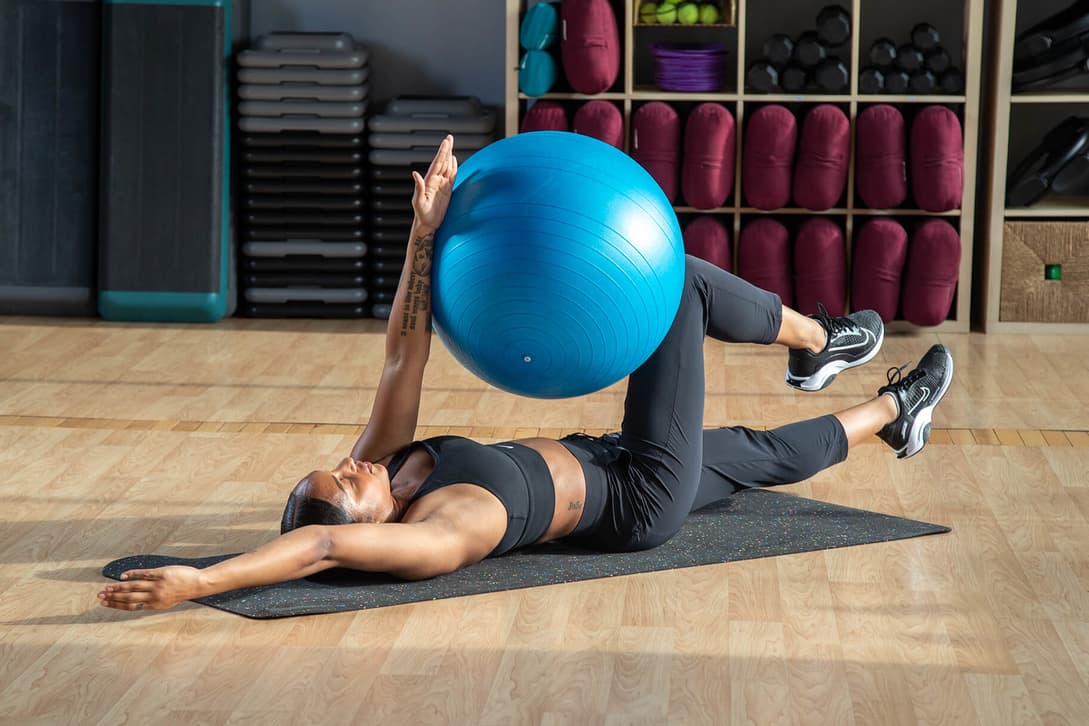
Fitness enthusiasts can also perform the exercise while pressing a stability ball between the hands and knees. This variation increases activation of the deep abdominal muscles because constant pressure must be maintained throughout each repetition.
Advanced athletes sometimes perform slower repetitions with longer pauses during the fully extended position. This extended time under tension further challenges stability and muscular endurance.
How Often Should You Do It?
For most healthy adults, including this exercise two to four times per week is sufficient to improve core stability. Beginners may start with two sets of eight to ten repetitions on each side while focusing entirely on proper form.
As strength improves, repetitions can gradually increase to twelve or fifteen per side. Rather than chasing high repetition numbers, prioritize slow, controlled movement and consistent spinal alignment.
This exercise works especially well during warm-ups because it activates the core before heavier compound movements such as squats, deadlifts, lunges, or overhead presses. It also fits naturally into rehabilitation sessions, Pilates-inspired workouts, or full-body home exercise routines.
Why It Matters in Today’s Lifestyle
Modern lifestyles often involve prolonged sitting, limited physical activity, and increased screen time. These habits can weaken the muscles responsible for stabilizing the spine, contributing to poor posture and reduced movement efficiency.
The dead bug exercise directly addresses many of these challenges by strengthening deep core muscles while encouraging proper movement patterns. Rather than simply building visible abdominal muscles, it teaches the body to function more effectively during everyday tasks.
Fitness professionals increasingly recognize that long-term health depends not only on strength but also on movement quality. Exercises emphasizing stability, coordination, and spinal control have become essential components of balanced training programs.
Frequently Asked Questions
Is the dead bug exercise good for beginners?
Yes. It is widely considered one of the safest core exercises for beginners because it emphasizes controlled movement instead of high-impact repetitions. Learning correct form first provides an excellent foundation before progressing to more advanced abdominal exercises.
Can this exercise help with lower back pain?
Many physical therapists recommend the dead bug exercise as part of rehabilitation programs because it strengthens the muscles supporting the spine while minimizing stress on the lower back. However, individuals experiencing severe or persistent pain should seek medical advice before beginning any exercise routine.
How many repetitions should I perform?
Most beginners benefit from performing eight to twelve repetitions per side for two or three sets. As coordination and strength improve, additional repetitions or more challenging variations can be introduced while maintaining proper technique.
Should I perform it every day?
Daily practice is generally unnecessary. Performing the exercise two to four times each week allows sufficient recovery while consistently improving core stability. Quality of movement remains more important than frequency.
Does the exercise help build visible abs?
The exercise strengthens the abdominal muscles, particularly the deep stabilizers, but visible abdominal definition depends primarily on overall body fat percentage, balanced nutrition, and a comprehensive strength training program.
Conclusion
The dead bug exercise proves that highly effective workouts do not always require heavy equipment or complicated movements. By strengthening the deep core muscles, improving coordination, supporting spinal health, and enhancing posture, it provides benefits that extend far beyond the gym. Its versatility makes it appropriate for beginners, experienced athletes, office workers, and individuals looking to improve overall movement quality.
Read More:-Bird Dog Exercise: Build Core Strength and Improve Balance

