

Corn is one of the most widely consumed grains across the world, valued for its taste, versatility, and affordability. From boiled corn on the cob to popcorn and corn flour, it plays a major role in daily diets in many countries. In recent years, interest in corn nutrition has increased as people become more conscious about balanced eating and natural food sources.
Understanding what corn offers nutritionally is important because it is often misunderstood as just a starchy food. In reality, corn provides a mix of carbohydrates, fiber, vitamins, and antioxidants that can support energy levels and overall health when consumed in moderation.
Modern dietary patterns are shifting toward whole and minimally processed foods, and corn fits well into this trend when prepared in healthy ways. However, its nutritional value also depends on portion size, cooking method, and what it is paired with in meals.
Understanding Corn Nutrition Profile
The corn nutrition profile is quite impressive when viewed as a whole food rather than a processed ingredient. Corn mainly consists of carbohydrates, but it also contains fiber, small amounts of protein, and healthy plant compounds such as lutein and zeaxanthin, which are known for supporting eye health.
Corn is naturally gluten-free, making it a suitable option for individuals with gluten sensitivity or celiac disease. It also provides slow-releasing energy, which can help maintain stamina throughout the day. While it is not considered a high-protein food, it still contributes to overall nutrient intake when combined with legumes, dairy, or lean proteins.
In the current health-focused food environment, corn is often included in balanced diets because it is filling, affordable, and easy to incorporate into meals. However, its nutritional value can decrease when heavily processed into sugary syrups or refined products.
Corn Nutrition Benefits for Modern Lifestyle
The corn nutrition benefits extend beyond basic energy supply. One of the key advantages is its ability to support digestive health due to its fiber content. Fiber helps regulate bowel movements and supports gut-friendly bacteria, which are essential for overall wellness.
Corn also contains antioxidants such as carotenoids, which play a role in reducing oxidative stress in the body. These compounds are particularly important in today’s lifestyle, where exposure to pollution, processed foods, and stress is common. Including corn in moderation can contribute to better long-term health outcomes.
Another benefit is its role in providing quick yet sustained energy. This makes corn a popular food choice for students, workers, and individuals with active lifestyles. However, balancing corn with protein and vegetables ensures a more complete nutritional intake.
Nutritional Breakdown of Corn
Below is a simple overview of the basic nutritional composition of corn per 100 grams of boiled sweet corn:
| Nutrient | Amount (Approx.) |
|---|---|
| Calories | 86 kcal |
| Carbohydrates | 19 g |
| Protein | 3.2 g |
| Fat | 1.2 g |
| Fiber | 2.7 g |
| Vitamin C | 6.8 mg |
| Magnesium | 37 mg |
| Potassium | 270 mg |
This breakdown shows that corn is primarily a carbohydrate-rich food but also provides essential micronutrients that support body functions. While not a complete protein source, it still contributes meaningfully to daily dietary needs when combined with other foods.
Corn Nutrition and Weight Management
When it comes to weight management, the corn nutrition profile offers both advantages and limitations. Corn is naturally low in fat and contains fiber, which can help increase feelings of fullness and reduce overeating. This makes it a good snack option when prepared without excessive butter, salt, or oil.
However, portion control is important because corn is calorie-dense compared to many vegetables. Overconsumption can lead to excess calorie intake, especially when eaten in processed forms like chips or sweetened corn products.
In current diet trends, corn is often included in balanced weight-loss meals when paired with proteins like grilled chicken, beans, or yogurt. This combination helps stabilize blood sugar levels and improves satiety, making it easier to manage cravings throughout the day.
Corn Nutrition for Different Populations
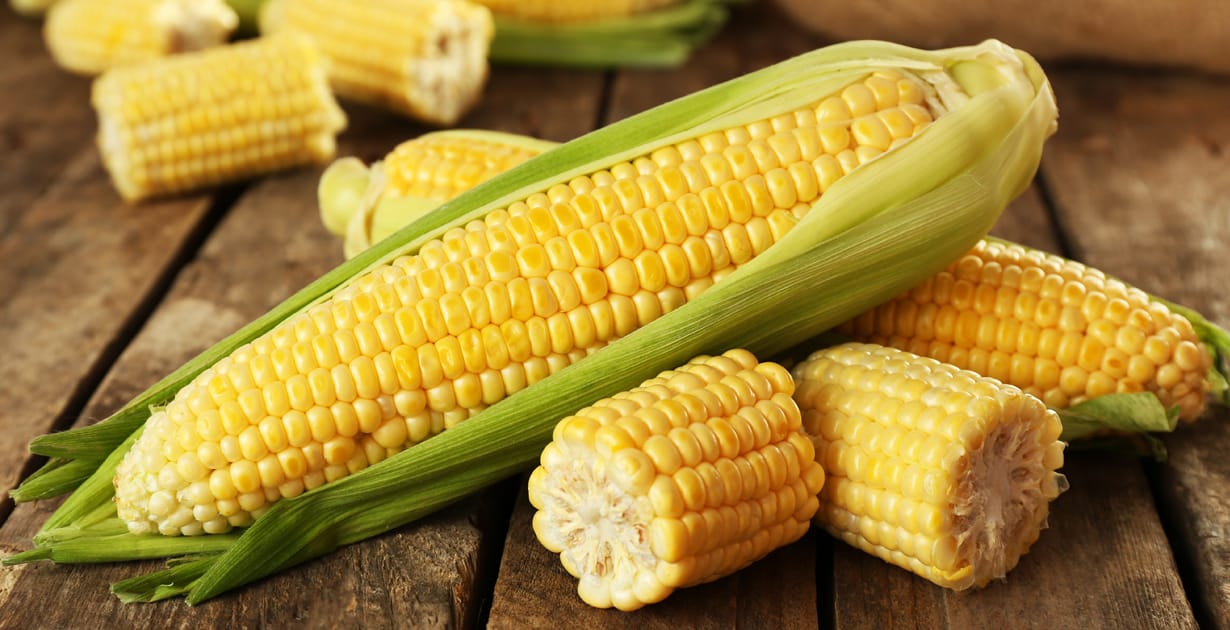
The corn nutrition benefits vary depending on age, activity level, and health conditions. For children, corn provides energy and essential nutrients that support growth and development. Its mild taste and soft texture make it easy to include in school meals or snacks.
For athletes and active individuals, corn serves as a quick source of carbohydrates that can help replenish energy after workouts. When combined with protein, it supports muscle recovery and endurance performance.
Older adults can also benefit from corn due to its fiber and antioxidant content, which support digestion and eye health. However, individuals with diabetes should monitor portion sizes, as corn can impact blood sugar levels if consumed in excess.
Simple Ways to Include Corn in Daily Diet
- Boiled corn with lemon and light seasoning as a snack
- Adding corn kernels to salads and soups
- Using corn flour for rotis or baked goods
- Including corn in stir-fried vegetable dishes
These simple methods help maintain nutritional balance while keeping meals enjoyable and diverse.
How to Include Corn in a Healthy Diet
The corn nutrition value can be maximized when it is prepared using healthy cooking methods. Boiling, steaming, or grilling corn is preferable to deep-frying or heavily buttered preparations. This helps preserve its natural nutrients while keeping calorie intake under control.
Corn can easily fit into breakfast, lunch, or dinner meals. For example, it can be added to vegetable wraps, mixed into rice bowls, or used in soups and stews. In modern diets, corn is also used in gluten-free baking and plant-based recipes, making it a versatile ingredient.
It is important to balance corn with other food groups such as proteins, healthy fats, and leafy vegetables. This ensures a more complete nutrient profile and prevents over-reliance on carbohydrates alone.
FAQs
1. Is corn healthy for daily consumption?
Corn can be part of a healthy daily diet when eaten in moderation. The corn nutrition profile provides carbohydrates, fiber, and essential vitamins, making it useful for energy and digestion. However, balance with other food groups is important for overall nutrition.
2. Does corn cause weight gain?
Corn itself does not directly cause weight gain, but overeating high-calorie corn products can contribute to excess calorie intake. Fresh corn, when eaten in controlled portions, can actually support satiety and weight management.
3. Is corn good for diabetics?
Corn can be consumed by diabetics, but portion control is important. Since it contains carbohydrates, it can affect blood sugar levels. Pairing corn with protein and fiber-rich foods can help manage its glycemic impact.
4. What is the healthiest way to eat corn?
The healthiest way to consume corn is by boiling or steaming it without added unhealthy fats or sugars. This preserves the natural benefits of corn nutrition while keeping it light and digestible.
5. Is corn better than rice or wheat?
Corn, rice, and wheat all have different nutritional profiles. Corn offers more fiber and antioxidants compared to refined grains, but the best choice depends on dietary needs and balance.
Conclusion
Corn remains one of the most versatile and widely consumed grains in the world. Its nutritional profile offers a mix of energy, fiber, and essential micronutrients that support everyday health needs. Understanding corn nutrition helps individuals make better dietary choices based on lifestyle and health goals.
While corn is not a superfood, it is a valuable part of a balanced diet when consumed in the right form and portion. In today’s health-conscious environment, incorporating whole corn into meals can support energy levels, digestive health, and overall wellness. The key lies in moderation, preparation method, and dietary balance.
Read More:-Bacon Nutrition Facts: Calories, Protein & Health Guide

