

1. What are bacon nutrition facts?
Bacon nutrition facts show its calories, protein, fat, and sodium content.
They help you understand how bacon fits into a balanced diet.
2. Best bacon nutrition facts
The best bacon nutrition facts highlight high protein, high fat, and high sodium levels.
3. How to choose bacon nutrition facts?
Choose bacon with lower sodium, less fat, and fewer preservatives.
Introduction
Bacon is one of the most loved breakfast foods worldwide, known for its crispy texture, smoky flavor, and irresistible aroma. But behind its popularity lies an important question—what exactly does it offer nutritionally, and how does it affect your daily diet?
Understanding bacon’s nutritional composition is essential in today’s health-conscious world. With rising concerns about processed meats, sodium intake, and heart health, many people are now re-evaluating how often they consume it. Whether you’re tracking calories, building muscle, or simply managing a balanced diet, knowing what’s inside bacon can help you make smarter food choices.
At the same time, bacon isn’t just “bad” or “good”—it’s about balance, portion size, and how it fits into your overall eating pattern. This guide breaks everything down in a simple, practical way so you can enjoy it more mindfully.
Quick Summary
- Bacon is high in protein but also rich in saturated fat and sodium
- Portion control plays a major role in its health impact
- It provides small amounts of essential vitamins like B12 and zinc
- Best consumed occasionally as part of a balanced diet
Bacon Nutrition Overview
Bacon is made from pork belly or back cuts that are cured and often smoked, giving it its signature flavor. The curing process significantly affects its nutritional profile, especially its sodium content and fat concentration.
While it does provide energy and protein, it is also classified as a processed meat. This means it contains preservatives like nitrates or nitrites in many commercial varieties, which are used to enhance flavor and extend shelf life.
Macronutrients Breakdown
Bacon is primarily composed of fats, followed by protein and a small amount of carbohydrates. The fat content contributes to its rich taste and crispy texture when cooked.
Protein in bacon supports muscle repair and energy, but the high fat levels—especially saturated fat—require mindful consumption. Carbohydrates are nearly negligible, making it popular in low-carb and keto-style diets.
Vitamins & Minerals
Despite being a processed meat, bacon contains some micronutrients such as vitamin B12, zinc, phosphorus, and selenium. These nutrients support energy production, immune function, and red blood cell formation.
However, these benefits are relatively small compared to the high sodium and fat content, which is why moderation is key.
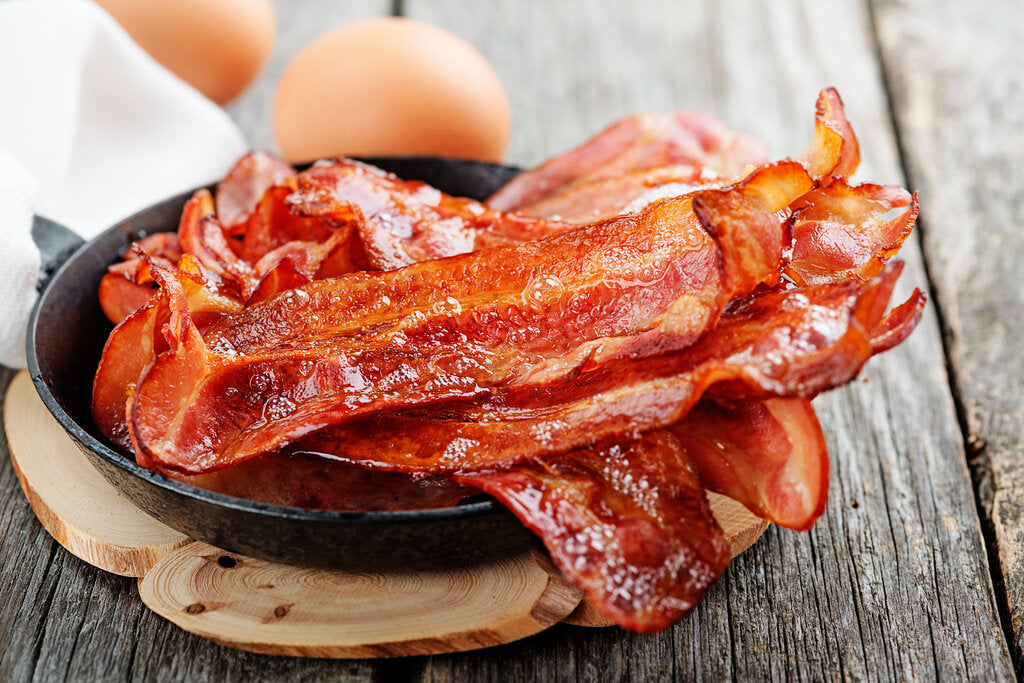
Detailed Analysis of bacon nutrition facts
When analyzing bacon nutrition facts, it becomes clear that bacon is calorie-dense and should be consumed in controlled portions. A typical serving (2–3 slices) provides a significant amount of daily fat intake, especially saturated fat.
On average, bacon contains about 40–50 calories per slice, depending on thickness and brand. This makes it easy to exceed calorie goals if portion sizes are not managed carefully.
Calories & Fat Content
A standard serving of bacon is high in fat, with a large portion coming from saturated fat. This is why it is often linked with concerns about heart health when consumed excessively.
Cooking methods also matter. Fried bacon tends to retain more fat, while oven-baked or air-fried versions can reduce excess grease. Understanding bacon nutrition facts helps you make better cooking and portion decisions, especially if you’re tracking your daily fat intake or following a structured diet plan.
Protein & Sodium Insights
Bacon provides moderate protein, typically around 3 grams per slice. While this contributes to daily protein needs, it is not considered a primary protein source compared to lean meats or plant-based alternatives.
Sodium is one of the biggest concerns. A few slices can contain a large percentage of the recommended daily sodium intake, which may impact blood pressure if consumed frequently.
Health Benefits of Bacon
Although bacon is often labeled unhealthy, it does offer certain benefits when eaten occasionally. It provides quick energy due to its fat content and can help increase satiety, making you feel full for longer periods.
It also contains small amounts of essential nutrients like vitamin B12 and selenium, which play roles in metabolism and immune support.
Pros & Cons
Pros:
- Rich flavor and satisfying texture
- Good source of protein and fats for energy
- Low in carbohydrates, suitable for keto diets
Cons:
- High in saturated fat and sodium
- Contains preservatives in processed versions
- Linked to long-term health risks when overconsumed
Expert Tips
- Choose center-cut bacon for leaner options
- Bake instead of frying to reduce fat intake
- Limit portion size to 1–2 times per week
- Pair with fiber-rich foods like vegetables
Common Mistakes
Many people unknowingly increase the health risks of bacon by overconsuming or pairing it with unhealthy sides. A common mistake is eating large portions daily, which significantly raises sodium and fat intake.
Another mistake is assuming all bacon types are the same. In reality, turkey bacon or reduced-sodium versions can differ greatly in nutritional value.
Who Should Eat Bacon
Bacon can be included in a balanced diet for individuals without specific heart or sodium-related health concerns. Active individuals or those following high-calorie diets may find it useful as an occasional energy-dense food.
However, people managing blood pressure, cholesterol levels, or cardiovascular risks should limit intake. Understanding bacon nutrition facts is especially important for these groups, as it helps them make informed dietary decisions without completely eliminating favorite foods.

Bacon vs Alternatives
| Food Type | Calories (per 2 slices) | Protein | Fat | Sodium |
|---|---|---|---|---|
| Pork Bacon | High (~80–100) | Medium | High | High |
| Turkey Bacon | Lower (~60–70) | Medium | Low | Medium |
| Chicken Bacon | Moderate (~70–80) | Medium | Low | Medium |
| Plant-Based Bacon | Variable (~50–80) | Low–Medium | Low | Low–Medium |
FAQs
1. What are bacon nutrition facts and why do they matter?
Bacon nutrition facts help you understand calories, fat, sodium, and protein content. This knowledge is essential for managing diet balance and avoiding excessive intake of unhealthy fats and salt.
2. How many calories are in bacon?
On average, bacon contains 40–50 calories per slice, depending on thickness and preparation method.
3. Is bacon good for protein intake?
Yes, it provides moderate protein, but it should not be the main protein source due to its high fat content.
4. Does bacon contain any vitamins?
Yes, it contains small amounts of vitamin B12, zinc, and selenium, which support energy and immune health.
5. How often can I eat bacon safely?
It is best consumed occasionally, ideally 1–2 times per week in small portions.
Conclusion
Bacon remains a flavorful and popular food, but it should be consumed with awareness and moderation. While it offers protein, fats, and certain micronutrients, its high sodium and saturated fat content require careful portion control. Understanding bacon nutrition facts allows you to enjoy bacon responsibly without compromising your health goals.
Ultimately, balance is the key. When included thoughtfully in a well-rounded diet, bacon can still be enjoyed as an occasional treat rather than a daily staple.
Read More:-White Rice Nutrition Facts: Calories, Benefits & Basics

