
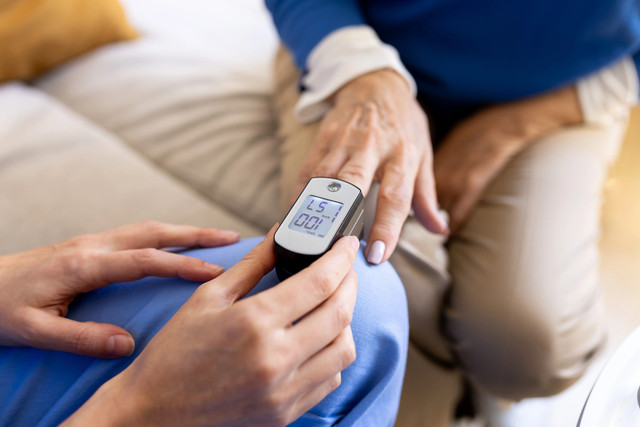
A heart attack is one of the most serious medical emergencies that can affect anyone, regardless of age or lifestyle. While many people recognize chest pain as a classic warning sign, fewer understand how heart rate during heart attack can change. Some individuals experience a racing heartbeat, while others notice that their pulse becomes unusually slow or irregular. Because every heart attack is different, there is no single heart rate that confirms or rules out the condition.
Understanding heart rate during heart attack can help people recognize warning signs early and seek immediate medical attention. The heart depends on a steady supply of oxygen-rich blood to pump effectively. When a coronary artery becomes blocked, the heart muscle begins to suffer from a lack of oxygen, affecting both the heartbeat and overall circulation.
In this article, you’ll learn how heart rate changes during a heart attack, what symptoms often occur alongside pulse changes, why these variations happen, available treatment options, recovery tips, and preventive measures to support long-term heart health.
Understanding Heart Rate and Heart Function
Heart rate refers to the number of times your heart beats in one minute. For most healthy adults, a resting heart rate ranges from 60 to 100 beats per minute. Athletes and physically active individuals may naturally have lower resting heart rates because their hearts pump blood more efficiently.
The heart’s electrical system controls every heartbeat. Electrical signals begin in the sinoatrial (SA) node, often called the heart’s natural pacemaker. These signals travel through specialized pathways, causing the heart muscles to contract in a coordinated manner.
During normal activity, heart rate changes depending on physical movement, stress, emotional responses, medications, and overall health. However, during a heart attack, blood flow to part of the heart muscle becomes blocked. This interruption can damage the heart’s electrical pathways, causing heart rate during heart attack to become faster, slower, or irregular depending on the location and severity of the blockage.
Why Heart Rate Changes During a Heart Attack
A heart attack occurs when one or more coronary arteries become blocked, preventing oxygen-rich blood from reaching the heart muscle. As the muscle begins to suffer, the heart struggles to maintain efficient pumping.
Several factors influence heart rate during heart attack, including:
- Location of the blocked artery
- Amount of heart muscle affected
- Damage to the electrical conduction system
- Stress hormones released by the body
- Existing heart conditions
- Medications already being taken
The body responds to the emergency by releasing adrenaline, which often causes the heart to beat faster. In other cases, damage to electrical pathways slows the heartbeat significantly. Some people even develop dangerous irregular rhythms that require immediate medical treatment.
Can Heart Rate Increase During a Heart Attack?
Yes. Many people experience a rapid heartbeat during a heart attack.
When the body senses reduced blood flow, it activates the sympathetic nervous system. This “fight-or-flight” response releases adrenaline and other hormones that increase heart rate in an attempt to deliver more oxygen throughout the body.
A fast heart rate during heart attack may be accompanied by:
- Chest pain or pressure
- Sweating
- Anxiety
- Shortness of breath
- Dizziness
- Weakness
- Nausea
Although an elevated heart rate is common, it should never be used alone to diagnose a heart attack. Many other conditions, including panic attacks and dehydration, can also cause rapid heartbeats.
Can Heart Rate Slow Down During a Heart Attack?
Surprisingly, yes.
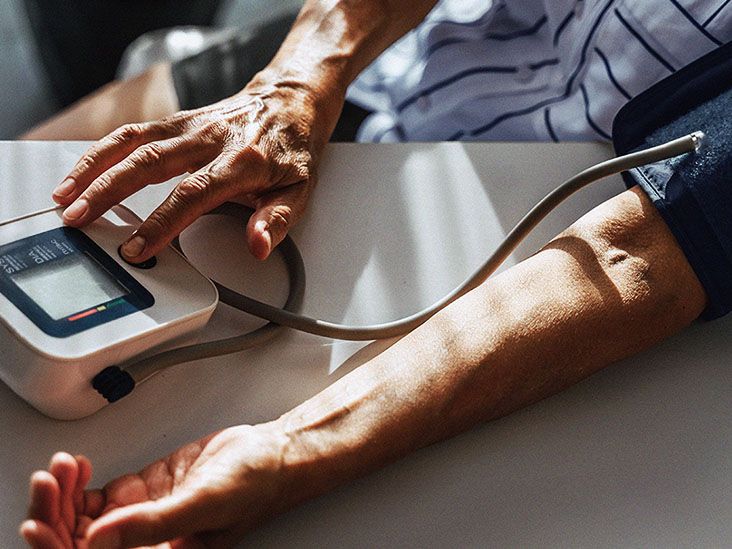
Certain heart attacks—especially those affecting the lower portion of the heart—may slow the heartbeat instead of speeding it up. Damage to the heart’s electrical conduction system can interfere with normal signaling, resulting in a slow pulse.
A slow heart rate during heart attack may lead to:
- Fainting
- Extreme fatigue
- Lightheadedness
- Low blood pressure
- Confusion
- Cold, clammy skin
A slow heartbeat during a heart attack can indicate significant damage and often requires immediate medical intervention.
Can Heart Rhythm Become Irregular?
One of the most dangerous effects of a heart attack is the development of abnormal heart rhythms, known as arrhythmias.
The damaged heart muscle may send chaotic electrical signals, causing irregular heartbeats. Some arrhythmias are mild, while others can become life-threatening within minutes.
Possible rhythm abnormalities include:
- Atrial fibrillation
- Ventricular tachycardia
- Ventricular fibrillation
- Heart block
- Premature heartbeats
These rhythm disturbances may reduce blood flow to the brain and other organs, increasing the risk of sudden cardiac arrest if not treated promptly.
Common Symptoms Alongside Heart Rate Changes
Changes in pulse rarely occur alone. Most people experience additional symptoms that help identify a heart attack.
Common warning signs include:
- Chest pressure or squeezing sensation
- Pain spreading to the jaw, shoulder, neck, arm, or back
- Shortness of breath
- Cold sweating
- Nausea or vomiting
- Extreme fatigue
- Lightheadedness
- Dizziness
- Feeling of impending doom
Women, older adults, and individuals with diabetes may have milder or less typical symptoms, making prompt evaluation even more important.
Risk Factors That Increase Heart Attack Chances
Several factors increase the likelihood of developing coronary artery disease and experiencing a heart attack.
Major risk factors include:
- High blood pressure
- High cholesterol
- Diabetes
- Smoking
- Obesity
- Physical inactivity
- Chronic stress
- Family history of heart disease
- Older age
- Excessive alcohol consumption
- Poor dietary habits
Managing these risk factors significantly lowers future cardiovascular risk.
How Doctors Diagnose Heart Rate During Heart Attack
Emergency physicians evaluate much more than pulse rate when diagnosing a heart attack.
Diagnostic tests commonly include:
- Electrocardiogram (ECG)
- Blood tests for cardiac enzymes
- Continuous heart rhythm monitoring
- Chest X-ray
- Echocardiogram
- Coronary angiography
- Blood pressure measurement
- Oxygen saturation monitoring
These tests help determine the location, severity, and extent of heart muscle damage while identifying dangerous rhythm disturbances requiring urgent treatment.
Treatment Options
Treatment begins immediately once a heart attack is suspected.
Depending on the patient’s condition, healthcare providers may use:
- Aspirin to reduce clot formation
- Blood-thinning medications
- Nitroglycerin
- Oxygen therapy if needed
- Pain management
- Beta blockers
- ACE inhibitors
- Cholesterol-lowering medications
- Emergency angioplasty
- Coronary stent placement
- Coronary artery bypass surgery in severe cases
Patients with serious rhythm abnormalities may require temporary pacing, electrical cardioversion, or implantable cardiac devices.
Recovery After a Heart Attack
Recovery varies depending on the amount of heart muscle damage, age, overall health, and treatment received.
Most recovery plans include:
- Cardiac rehabilitation
- Regular exercise under supervision
- Healthy eating
- Medication adherence
- Blood pressure control
- Cholesterol management
- Diabetes management
- Smoking cessation
- Stress reduction
- Regular follow-up appointments
Many individuals regain active lifestyles after completing rehabilitation and following medical advice consistently.
How to Protect Your Heart
Preventing heart disease is far easier than treating its complications.
Healthy habits include:
- Eat more fruits and vegetables.
- Choose whole grains.
- Limit saturated fats.
- Reduce salt intake.
- Exercise most days of the week.
- Maintain a healthy weight.
- Stop smoking.
- Limit alcohol intake.
- Manage stress effectively.
- Sleep seven to nine hours nightly.
- Monitor blood pressure regularly.
- Control blood sugar if diabetic.
- Take prescribed medications consistently.
These habits reduce the likelihood of coronary artery disease and improve overall cardiovascular health.
When to Seek Emergency Medical Help
Never ignore symptoms that may indicate a heart attack.
Call emergency medical services immediately if you experience:
- Persistent chest pain lasting several minutes
- Pain spreading to the arm, neck, jaw, or back
- Severe shortness of breath
- Sudden sweating
- Fainting
- Extreme weakness
- Unexplained nausea with chest discomfort
- Sudden changes in heart rhythm
Seeking medical attention quickly greatly improves survival and reduces permanent heart damage.
Conclusion
Understanding heart rate during heart attack is important because heart rate can become faster, slower, or irregular depending on how the heart is affected. While pulse changes may provide useful clues, they should never be the only factor used to identify a heart attack. Chest discomfort, shortness of breath, sweating, dizziness, and pain spreading to the arm or jaw are equally important warning signs.
Recognizing symptoms early and seeking immediate emergency medical care can save heart muscle, reduce complications, and improve survival. Maintaining healthy lifestyle habits, controlling blood pressure and cholesterol, staying physically active, and attending regular health checkups are effective ways to reduce the risk of future heart attacks. By understanding how the heart responds during an emergency, individuals can make informed decisions that protect their long-term cardiovascular health.
Read More:-Mini Heart Attack: Symptoms, Causes, Treatment & Recovery

