
Introduction
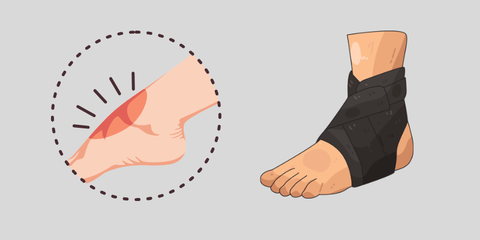
An ankle brace provides essential support, reduces discomfort, and improves balance for athletes, recovery patients, and everyday users.
An ankle brace improves stability and reduces pain, helping prevent injuries, support recovery, and maintain active lifestyles effectively.
Ankle injuries are among the most common musculoskeletal problems, affecting athletes and active individuals alike. Using an ankle brace can dramatically improve recovery outcomes, prevent further injury, and provide comfort during physical activity. The benefits of ankle braces are widely recognized, from providing compression to enhancing stability.
How Ankle Braces Work to Support Your Ankles
Ankle braces work by stabilizing joints, controlling motion, and distributing pressure, making them an essential tool for injury prevention and rehabilitation.
An ankle brace stabilizes the joint by limiting harmful movements while allowing safe motion for daily activities and workouts. There are three main mechanisms through which ankle braces work:
- Compression: Helps reduce swelling and improves blood flow.
- Stabilization: Prevents excessive twisting or rolling of the ankle.
- Protection: Shields vulnerable ligaments from further damage during activity.
By controlling these factors, ankle braces minimize the risk of sprains, strains, and chronic instability.
Key Benefits of Wearing an Ankle Brace
From pain reduction to injury prevention, ankle braces offer a wide range of advantages for different users.
Discover the key benefits of ankle braces: pain relief, enhanced stability, faster recovery, and prevention of sprains and chronic ankle injuries.
Ankle braces provide numerous benefits for both athletes and non-athletes. The following table summarizes the primary advantages:
| Benefit | Description |
|---|---|
| Pain Reduction | Compresses and stabilizes the ankle to alleviate discomfort |
| Injury Prevention | Limits extreme motion to prevent sprains and ligament damage |
| Improved Stability | Provides support during walking, running, and sports activities |
| Faster Recovery | Supports healing after injuries or surgeries |
| Confidence in Movement | Allows users to move freely without fear of reinjury |
Top Types of Ankle Braces
Choosing the right ankle brace depends on your activity level, injury severity, and comfort preferences.
- Lace-Up Braces:
Provide firm support and are adjustable for tightness. Suitable for sports like basketball or soccer. - Rigid or Semi-Rigid Braces:
Offer maximum stability with plastic or metal inserts. Ideal for recovering from severe sprains. - Elastic or Sleeve Braces:
Lightweight and flexible, providing mild compression for everyday use and minor support. - Functional Braces:
Designed for post-injury activity, helping athletes return to sport with controlled ankle motion. - Preventive Braces:
Worn by healthy athletes to reduce the risk of sprains during high-impact activities.
How to Choose the Right Ankle Brace
Selecting the appropriate ankle brace ensures optimal comfort, support, and effectiveness for your needs.
Choosing the right ankle brace depends on support level, comfort, activity type, and injury history to ensure effective protection and recovery.
When choosing an ankle brace, consider the following:
- Activity Level: Daily walking, sports, or heavy physical activity.
- Injury Type: Sprains, chronic instability, post-surgery support.
- Fit and Comfort: Adjustable and breathable braces enhance compliance.
- Support Level: Mild, moderate, or maximum stabilization depending on needs.
- Material: Lightweight fabrics for comfort, rigid braces for high support.
Table: Ankle Brace Selection Guide
| Brace Type | Best For | Support Level |
|---|---|---|
| Lace-Up | Sports and moderate injuries | Medium |
| Rigid/Semi-Rigid | Severe sprains and post-surgery | High |
| Elastic/Sleeve | Everyday support and mild pain relief | Low |
| Functional | Returning to sport after injury | Medium-High |
| Preventive | Athletes without prior injuries | Medium |
Tips for Using an Ankle Brace Effectively
Proper use of an ankle brace maximizes benefits and minimizes discomfort or additional injuries.
- Wear the brace consistently during physical activity.
- Ensure the brace is snug but not overly tight to maintain circulation.
- Combine with stretching and strengthening exercises for best results.
- Replace worn-out braces to maintain support and effectiveness.
- Consult a medical professional if pain persists despite brace use.
Ankle Brace and Pain Management
Ankle braces can significantly reduce pain caused by sprains, strains, arthritis, and post-surgical recovery.
Chronic ankle pain often arises from instability or repetitive stress. By providing compression and support, ankle braces:
- Reduce inflammation and swelling.
- Limit harmful ankle movements that worsen pain.
- Promote confidence in daily activities and exercise.
A properly fitted brace not only alleviates discomfort but also accelerates healing and prevents further injury.
Combining Ankle Braces with Physical Therapy
For optimal recovery, an ankle brace should be used alongside rehabilitation exercises.
Physical therapy enhances the benefits of ankle braces by:
- Strengthening ankle muscles.
- Improving proprioception and balance.
- Restoring range of motion gradually.
Rehabilitation exercises, when paired with a supportive ankle brace, help prevent long-term instability.
Common Myths About Ankle Braces
Separating facts from misconceptions can help users maximize ankle brace benefits.
- Myth 1: Braces make ankles weak. → Actually, they support healing while muscles strengthen.
- Myth 2: One-size-fits-all braces work. → Proper sizing is essential for support and comfort.
- Myth 3: Braces are only for athletes. → Anyone with ankle instability can benefit.
Understanding these facts ensures effective and safe use of ankle braces for everyone.
When to See a Doctor
While ankle braces are helpful, certain conditions require professional evaluation.
Seek medical attention if you experience:
- Severe pain or swelling.
- Frequent ankle giving way despite using a brace.
- Visible deformities or inability to bear weight.
- Persistent instability after several weeks of brace use.
A professional assessment helps determine if further intervention or a custom brace is needed.
Maintaining Your Ankle Brace
Proper care ensures long-lasting support and hygiene.
- Clean fabric braces regularly according to instructions.
- Inspect for worn-out straps or seams.
- Store in a cool, dry place to prevent material breakdown.
- Avoid overstretching elastic sleeves to maintain compression.
Ankle Brace for Sports vs. Everyday Use
Different activities require specific brace types and support levels.
Sports: Lace-up and rigid braces prevent injuries during high-impact or lateral movements.
Daily Use: Elastic sleeves provide comfort, mild support, and pain relief for walking or standing.
Conclusion: Maximizing the Benefits of An Ankle Brace
Using an ankle brace correctly enhances stability, reduces pain, prevents injuries, and supports recovery.
An ankle brace is an essential tool for anyone dealing with instability, recovering from injury, or aiming to prevent ankle problems. By understanding the types, benefits, and proper usage, users can enjoy safer movement and faster recovery. Pairing the brace with exercises and professional guidance ensures optimal long-term results.
Read More:- Sprained Ankle Recovery Guide: From Injury to Full Mobility

