

Losing weight successfully is not about following extreme diets or skipping meals. Instead, it involves creating healthy eating habits that support long-term wellness. A balanced approach to nutrition can help you reduce excess body fat, maintain energy levels, and improve overall health. Many people focus solely on exercise when trying to lose weight, but food choices play an even greater role in achieving sustainable results.
A well-planned weight-loss strategy combines proper calorie management, balanced meals, hydration, and mindful eating. Understanding how different foods affect your body helps you make better decisions without feeling deprived. The goal is not to eliminate entire food groups but to create a lifestyle that supports gradual and healthy progress.
This comprehensive guide explains the fundamentals of nutrition, healthy meal planning, food selection, and practical strategies that can help beginners and experienced individuals alike achieve their weight-loss goals.
Understanding the Role of Nutrition in Weight Loss
Weight loss occurs when your body burns more calories than it consumes. However, the quality of those calories matters significantly. Two meals with the same calorie count can affect hunger, energy, and metabolism differently.
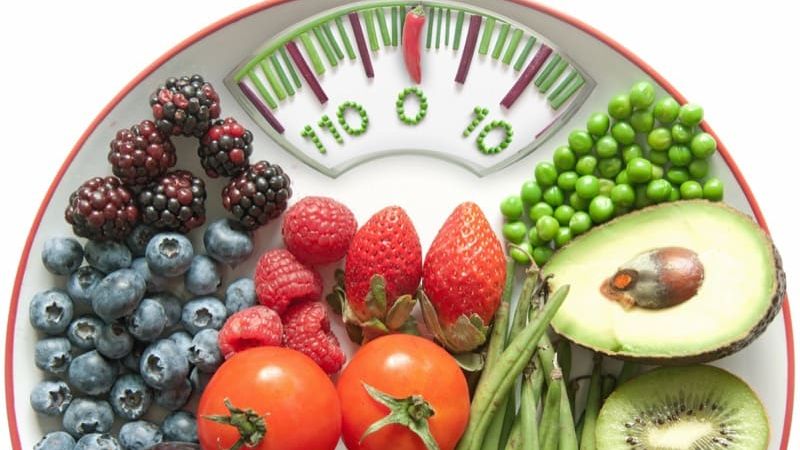
Proper nutrition provides essential nutrients while helping control calorie intake. Nutrient-dense foods such as vegetables, fruits, lean proteins, whole grains, and healthy fats keep you satisfied longer and reduce unnecessary snacking.
Many highly processed foods contain added sugars, unhealthy fats, and excess sodium. While these foods may be convenient, they often contribute to overeating because they lack fiber and protein, which are important for fullness.
A healthy weight-loss plan should focus on nourishing the body rather than simply restricting food. When your body receives the vitamins, minerals, and macronutrients it needs, maintaining a calorie deficit becomes easier and more sustainable.
Key Nutrients for Effective Weight Loss
Understanding the major nutrients can help you build balanced meals that support weight management.
Protein
Protein is one of the most important nutrients for weight loss. It helps preserve muscle mass, supports recovery, and increases feelings of fullness. Including protein in every meal can reduce cravings and prevent overeating.
Common protein sources include:
- Chicken breast
- Fish
- Eggs
- Greek yogurt
- Lentils
- Beans
- Tofu
- Cottage cheese
Carbohydrates
Carbohydrates provide energy for daily activities and exercise. The key is choosing complex carbohydrates over refined options.
Healthy carbohydrate choices include:
- Oats
- Brown rice
- Quinoa
- Sweet potatoes
- Whole-grain bread
- Fruits
- Vegetables
These foods contain fiber, which slows digestion and helps control appetite.
Healthy Fats
Healthy fats support hormone production and improve satiety. Contrary to popular belief, not all fats contribute to weight gain.
Good sources include:
- Avocados
- Nuts
- Seeds
- Olive oil
- Fatty fish
Moderation remains important because fats contain more calories per gram than proteins and carbohydrates.
The Importance of Calorie Balance
Weight loss ultimately depends on maintaining a calorie deficit. This means consuming fewer calories than your body burns each day.
However, extremely low-calorie diets often lead to fatigue, nutrient deficiencies, and muscle loss. Instead of drastically reducing calories, aim for a moderate deficit that promotes steady weight loss.
The following table provides a simple overview of calorie strategies.
| Goal | Recommended Approach |
|---|---|
| Weight Maintenance | Calories consumed equal calories burned |
| Slow Weight Loss | 250–500 calorie deficit daily |
| Moderate Weight Loss | 500–750 calorie deficit daily |
| Muscle Preservation | High protein intake with moderate deficit |
| Long-Term Success | Consistent healthy eating habits |
A gradual approach is usually easier to maintain and produces lasting results.
Building a Balanced Weight-Loss Plate
Creating balanced meals is one of the simplest ways to improve nutrition and control portions. Instead of focusing on complicated calculations, use a plate-based method.
Ideal Plate Structure
Fill your plate with:
- 50% vegetables
- 25% lean protein
- 25% whole grains or healthy carbohydrates
This method naturally increases nutrient intake while helping control calorie consumption.
Vegetables provide volume with relatively few calories, making meals more satisfying. Protein helps preserve muscle and reduces hunger, while carbohydrates provide the energy needed for daily activities.
Balanced meals also reduce blood sugar fluctuations that can trigger cravings and overeating later in the day.
Best Foods for Healthy Weight Loss
Choosing nutrient-dense foods is essential for successful weight management. These foods provide valuable vitamins and minerals while helping control hunger.
Vegetables
Vegetables are among the most effective foods for weight loss because they are low in calories and rich in fiber.
Excellent choices include:
- Broccoli
- Spinach
- Kale
- Cauliflower
- Bell peppers
- Cucumbers
- Zucchini
Fruits
Fruits satisfy sweet cravings naturally while providing antioxidants and fiber.
Good options include:
- Apples
- Berries
- Oranges
- Pears
- Grapefruit
- Kiwi
Lean Proteins
Protein-rich foods support muscle retention and increase satiety.
Examples include:
- Turkey
- Chicken
- Fish
- Eggs
- Beans
- Lentils
Incorporating these foods regularly improves overall nutrition and supports sustainable weight loss.
Meal Planning for Better Results
Meal planning helps eliminate guesswork and reduces the temptation to choose unhealthy options when hunger strikes.
Start by planning meals for several days in advance. Prepare ingredients ahead of time and keep healthy snacks available.
A simple daily structure may include:
Breakfast
Choose a combination of protein and fiber, such as oatmeal with berries and Greek yogurt.
Lunch
A large salad with grilled chicken, vegetables, and a light dressing can provide balanced nutrition and sustained energy.
Dinner
Include lean protein, vegetables, and a moderate serving of whole grains.
Snacks
Healthy snack options include:
- Fresh fruit
- Nuts
- Yogurt
- Carrot sticks
- Boiled eggs
Consistent meal planning supports better nutrition choices and helps maintain a calorie deficit.
The Role of Hydration
Hydration is often overlooked during weight-loss journeys. Drinking enough water supports digestion, metabolism, and appetite control.

Sometimes thirst is mistaken for hunger, leading people to consume unnecessary calories. Drinking water before meals may help reduce food intake and improve portion control.
Tips for staying hydrated include:
- Carry a reusable water bottle
- Drink water before meals
- Choose water over sugary beverages
- Eat water-rich fruits and vegetables
Reducing liquid calories from sodas, energy drinks, and sweetened coffee beverages can significantly improve weight-loss results.
Mindful Eating and Portion Control
Mindful eating involves paying attention to hunger signals, food choices, and eating behaviors. This practice can help prevent overeating and emotional eating.
Many people eat quickly, which prevents the brain from recognizing fullness. Slowing down allows the body to communicate satisfaction more effectively.
Strategies for mindful eating include:
- Eating without distractions
- Chewing food thoroughly
- Taking smaller bites
- Recognizing hunger and fullness cues
- Avoiding emotional eating triggers
Portion control is equally important. Even healthy foods can contribute to weight gain when consumed excessively. Using smaller plates and measuring servings occasionally can improve awareness.
Common Nutrition Mistakes That Slow Weight Loss
Many people unknowingly make mistakes that hinder progress despite their best efforts.
Skipping Meals
Skipping meals often leads to excessive hunger and overeating later in the day. Consistent eating patterns support better appetite regulation.
Eliminating Entire Food Groups
Extreme restrictions are difficult to maintain and may result in nutrient deficiencies. Balanced eating is generally more sustainable.
Drinking Calories
Sugary beverages can add hundreds of calories daily without providing fullness.
Ignoring Protein Intake
Insufficient protein can increase hunger and reduce muscle preservation during weight loss.
Following Fad Diets
Quick-fix diets may produce temporary results but often fail to promote lasting lifestyle changes.
Focusing on long-term nutrition habits usually delivers better outcomes than extreme approaches.
Exercise and Nutrition: A Powerful Combination
Although diet plays a major role in weight loss, exercise enhances results and improves overall health.
Cardiovascular activities help burn calories, while strength training preserves muscle mass. Maintaining muscle supports a healthy metabolism and contributes to long-term weight management.
Combining exercise with proper nutrition offers several benefits:
- Improved fat loss
- Increased energy
- Better cardiovascular health
- Stronger muscles
- Enhanced mood
- Greater consistency
The most effective fitness plan is one that you enjoy and can maintain regularly.
Creating Sustainable Habits for Long-Term Success
Successful weight loss depends on consistency rather than perfection. Small improvements practiced daily often outperform short periods of extreme effort.
Focus on developing habits such as:
- Eating more vegetables
- Prioritizing protein
- Drinking enough water
- Planning meals ahead
- Getting adequate sleep
- Exercising regularly
Sleep deserves special attention because poor sleep can increase hunger hormones and cravings. Most adults benefit from seven to nine hours of quality sleep each night.
Tracking progress through measurements, photos, or fitness improvements can also provide motivation beyond the number on the scale.
A sustainable approach to nutrition allows flexibility for special occasions while maintaining healthy routines most of the time.
Conclusion
Achieving healthy and lasting weight loss requires more than simply eating less. The foundation of success lies in making smart food choices, maintaining a moderate calorie deficit, and developing sustainable habits. A balanced approach to nutrition helps support energy levels, preserve muscle mass, reduce cravings, and improve overall well-being.

