
Introduction
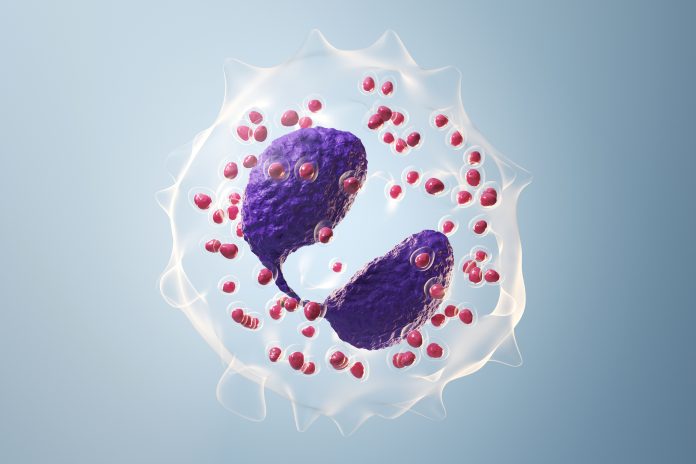
Eosinophils are a type of white blood cell that plays a crucial role in the immune system, especially in fighting infections and responding to allergens. However, abnormal levels of eosinophils, especially persistent elevation, may sometimes signal serious health concerns, including cancer. Understanding the connection between eosinophils and cancer is important for early detection and timely medical evaluation.
What Are Eosinophils and Their Role in the Body?
Eosinophils are part of the body’s immune defense system. They originate in the bone marrow and circulate in the bloodstream. They are particularly active in combating parasites, regulating inflammation, and responding to allergic reactions. Normally, eosinophils are present in small amounts, ranging from 0.0–0.5 ×10⁹/L in healthy adults.
How Eosinophils Function
-
Protect the body against parasitic infections
-
Participate in allergic and inflammatory reactions
-
Interact with other immune cells to maintain immune balance
-
Contribute to tissue repair and remodeling
Understanding Eosinophil Levels
Eosinophil levels are measured through a complete blood count (CBC) with differential. The count can vary depending on age, health, and other conditions.
Normal vs. Elevated Eosinophil Levels
| Eosinophil Level | Classification | Typical Causes |
|---|---|---|
| 0–0.5 ×10⁹/L | Normal | Healthy range |
| 0.5–1.5 ×10⁹/L | Mild eosinophilia | Allergies, mild infections |
| 1.5–5 ×10⁹/L | Moderate eosinophilia | Chronic allergies, parasitic infections, some cancers |
| >5 ×10⁹/L | Severe eosinophilia | Blood cancers, solid tumors, autoimmune disorders |
Key Point: Persistent moderate to severe eosinophilia is rare and should prompt further medical evaluation.
What Level of Eosinophils May Indicate Cancer?
While elevated eosinophils are often linked to infections or allergies, certain cancers are known to cause abnormal increases.
Types of Cancer Associated with High Eosinophil Counts
- Hematologic cancers: Leukemia, Hodgkin lymphoma, non-Hodgkin lymphoma
- Solid tumors: Lung, gastrointestinal, and some reproductive organ cancers
- Paraneoplastic eosinophilia: A condition where tumors stimulate eosinophil production
Typical levels in cancer-related eosinophilia:
-
Moderate: 1.5–5 ×10⁹/L
-
Severe: >5 ×10⁹/L
Elevated eosinophils alone cannot diagnose cancer. Further tests like bone marrow biopsy, imaging, and tumor markers are required.
Symptoms and Warning Signs
High eosinophil levels due to cancer may be accompanied by symptoms such as:
- Unexplained weight loss
- Persistent fatigue
- Night sweats or fever
- Swollen lymph nodes
- Abdominal pain or organ enlargement
Why Monitoring Is Crucial
- Early detection of abnormal eosinophil levels can lead to faster diagnosis of underlying conditions
- Helps differentiate between benign causes (allergy, infection) and malignancy
- Guides physicians in deciding further investigations
- Reduces the risk of delayed cancer treatment
- Supports ongoing monitoring during cancer therapy
Causes of Eosinophilia Beyond Cancer
It’s important to remember that many factors can raise eosinophil levels:
- Allergic reactions: Asthma, eczema, hay fever
- Parasitic infections: Roundworms, hookworms
- Autoimmune disorders: Crohn’s disease, lupus
- Medications: Antibiotics, certain anti-seizure drugs
- Other blood disorders: Polycythemia vera, hypereosinophilic syndrome
| Cause | Typical Eosinophil Range | Notes |
|---|---|---|
| Allergies | 0.5–1.5 ×10⁹/L | Usually mild |
| Parasitic infection | 1.0–5 ×10⁹/L | Dependent on infection severity |
| Blood cancers | 1.5–10 ×10⁹/L | Persistent and progressive |
| Autoimmune disorders | 0.5–3 ×10⁹/L | Can fluctuate |
Diagnostic Approach for Elevated Eosinophils
When eosinophil counts remain high without a clear cause, physicians may recommend:
- Repeat CBC tests to confirm persistence
- Bone marrow biopsy for hematologic evaluation
- Imaging tests to detect solid tumors
- Allergy testing to rule out immune reactions
- Genetic or molecular tests for rare syndromes
Early evaluation helps distinguish between benign eosinophilia and potential cancer-related changes.
Managing and Monitoring Eosinophilia
Management depends on the underlying cause:
- Allergic causes: Antihistamines, corticosteroids, lifestyle modifications
- Parasitic infections: Anti-parasitic medications
- Cancer-related eosinophilia: Treatment of the primary tumor often normalizes eosinophil counts
- Regular monitoring: Repeat blood tests every 3–6 months or as advised
Tips for Patients:
- Keep track of symptoms and lab results
- Report persistent fatigue, fever, or unexplained weight loss
- Avoid self-medicating without physician guidance
Prognosis and Long-Term Considerations
Elevated eosinophils linked to cancer may vary in prognosis depending on:
- Type and stage of cancer
- Patient’s overall health
-
Responsiveness to treatment
In many cases, successful treatment of the underlying cancer leads to normalization of eosinophil counts.
Key Takeaways
- Eosinophils are white blood cells important for immunity.
- Normal counts: 0–0.5 ×10⁹/L; elevated counts may indicate allergies, infections, or cancer.
- Moderate to severe eosinophilia may signal hematologic or solid tumors.
- Persistent elevation should be evaluated with diagnostic tests.
- Treatment and prognosis depend on addressing the underlying cause.
High eosinophil levels can signal cancer but may also result from allergies or infections. Persistent elevation requires medical evaluation.
Moderate to severe eosinophilia may indicate blood cancers or solid tumors. Understanding your counts helps in early detection.
Monitoring eosinophils helps detect cancer early. Persistent high levels should prompt further testing for accurate diagnosis.
Conclusion
Understanding eosinophils and their levels is crucial for detecting potential health issues, including cancer. While high eosinophil counts do not confirm cancer, persistent moderate to severe eosinophilia warrants careful evaluation. Early diagnosis, regular monitoring, and treatment of underlying causes can significantly improve outcomes. By paying attention to eosinophil levels and associated symptoms, patients and physicians can make informed decisions for timely and effective care.
Read More:- The John Cena Cancer Question: Separating Myths from Reality

