

Introduction
Fungi are a unique group of living organisms that occupy a special place in the biological world. They are neither plants nor animals, yet they share certain characteristics with both. One of the most distinctive features of fungi is the way they obtain their food. Unlike green plants, fungi do not possess chlorophyll and therefore cannot prepare their own food through photosynthesis. This makes their nutritional strategy entirely different and fascinating. what is the mode of nutrition in fungi is essential for students, researchers, and anyone interested in biology, ecology, or environmental science.
The study of fungal nutrition reveals how these organisms survive, grow, reproduce, and interact with their surroundings. From decomposing dead matter to forming beneficial associations with plants, fungi demonstrate remarkable adaptability. The mode of nutrition in fungi plays a crucial role in maintaining ecological balance and recycling nutrients in nature.
What Is Nutrition in Living Organisms
Nutrition refers to the process by which living organisms obtain food and utilize it for energy, growth, repair, and maintenance of their bodies. Different organisms have evolved different nutritional strategies based on their structure, habitat, and available resources. Plants generally show autotrophic nutrition, while animals exhibit holozoic nutrition. Fungi, however, follow a completely different approach that sets them apart.
What is the mode of nutrition in fungi is heterotrophic, meaning they depend on other organisms or organic matter for their food. Instead of ingesting food like animals, fungi absorb nutrients directly from their surroundings after breaking complex substances into simpler forms. This external digestion is a defining feature of fungal nutrition.
Basic Characteristics of Fungi Related to Nutrition
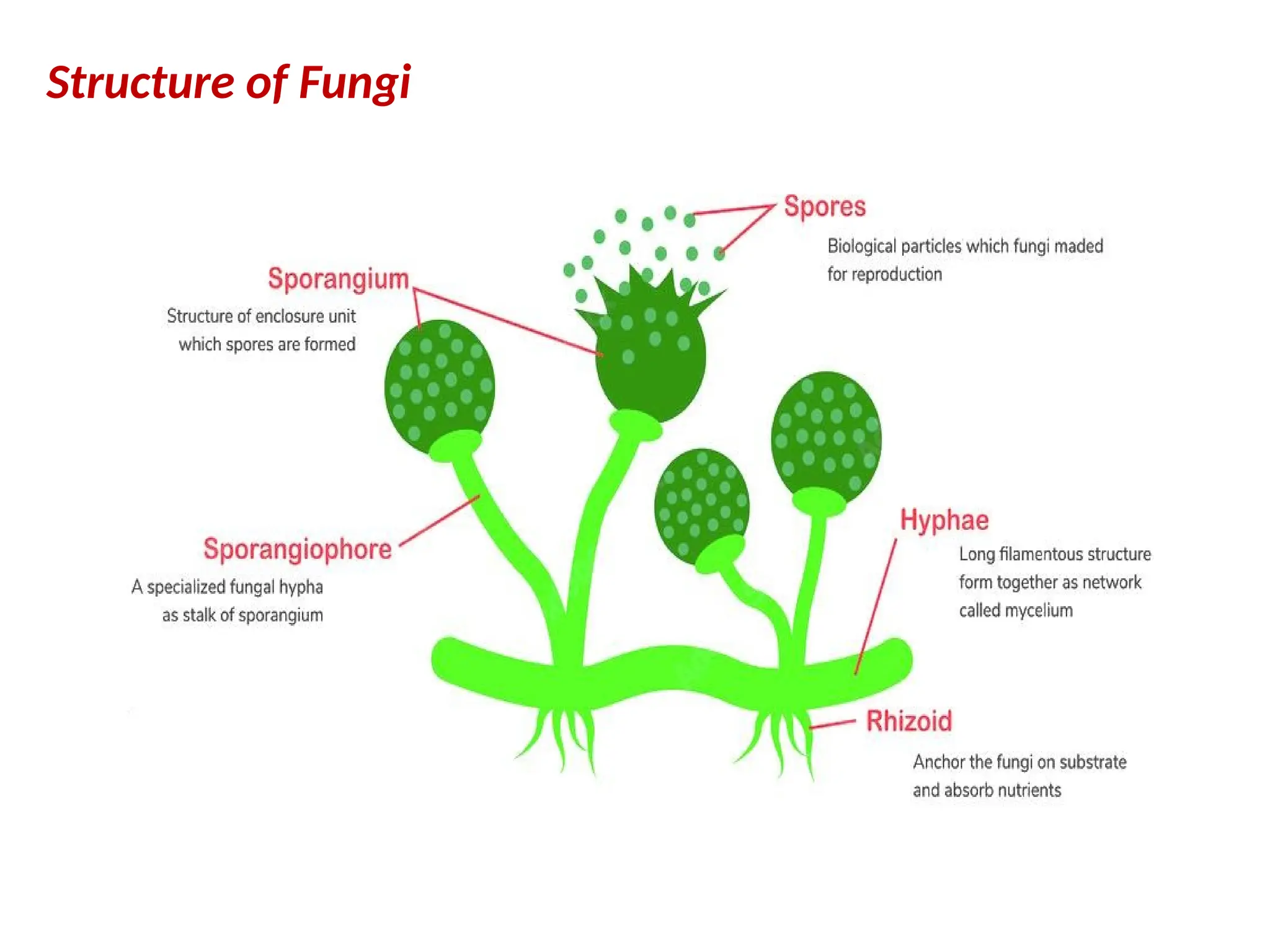
Fungi are eukaryotic organisms with a cell wall made mainly of chitin. Their body is usually composed of thread-like structures called hyphae, which collectively form a network known as mycelium. This structure provides a large surface area that aids in efficient absorption of nutrients.
Because fungi lack chlorophyll, they cannot synthesize food from sunlight, carbon dioxide, and water. As a result, what is the mode of nutrition in fungi depends entirely on external organic sources. Fungi secrete enzymes onto the substrate they live on, digest the food externally, and then absorb the soluble nutrients through their hyphae.
Understanding the Mode of Nutrition in Fungi
The mode of nutrition in fungi can be defined as absorptive heterotrophic nutrition. In this process, fungi obtain nutrients by absorbing dissolved organic substances from their environment. This strategy is highly efficient and allows fungi to thrive in diverse habitats, including soil, water, decaying matter, and even living organisms.
The enzymes released by fungi break down complex organic compounds such as carbohydrates, proteins, and fats into simpler molecules. These molecules are then absorbed through the fungal cell wall and plasma membrane. This unique feeding mechanism distinguishes fungi from other heterotrophic organisms.
Saprophytic Nutrition in Fungi
One of the most common forms of fungal nutrition is saprophytic nutrition. In this case, fungi feed on dead and decaying organic matter. They play a vital role in breaking down plant and animal remains, converting complex organic materials into simpler substances that can be reused by other organisms.
In saprophytic nutrition, fungi secrete digestive enzymes onto dead matter such as fallen leaves, wood, and dead animals. These enzymes decompose cellulose, lignin, and other complex compounds. The mode of nutrition in fungi through saprophytism makes them nature’s primary decomposers and essential for nutrient recycling.
Parasitic Nutrition in Fungi
Another important type of fungal nutrition is parasitic nutrition. In this mode, fungi obtain their food from living host organisms, often causing harm or disease. Parasitic fungi can infect plants, animals, and even humans, leading to various diseases.
The what is the mode of nutrition in fungi that are parasitic involves penetrating the host tissues and absorbing nutrients directly from the host cells. This can weaken the host, reduce crop yields, and cause serious health problems. Despite their harmful effects, parasitic fungi are important for studying disease mechanisms and host-pathogen interactions.
Symbiotic Nutrition in Fungi

Symbiotic nutrition represents a mutually beneficial relationship between fungi and other organisms. One of the most well-known examples is the association between fungi and algae or cyanobacteria, forming lichens. In this relationship, the fungus provides protection and moisture, while the algae prepare food through photosynthesis.
Another classic example is mycorrhiza, a symbiotic association between fungi and plant roots. The what is the mode of nutrition in fungi involved in mycorrhiza allows them to receive carbohydrates from the plant, while the plant benefits from improved water and mineral absorption. This mutualistic relationship is crucial for the growth and survival of many plant species.
Modes of Nutrition Based on Lifestyle
Fungi can be classified based on their nutritional lifestyle into saprophytes, parasites, and symbionts. Each lifestyle reflects a different adaptation to environmental conditions and available resources. The mode of nutrition in fungi determines their ecological role and influence on ecosystems.
Saprophytic fungi dominate forest floors and soil ecosystems, parasitic fungi influence population dynamics, and symbiotic fungi enhance plant productivity. Together, these nutritional strategies highlight the diversity and importance of fungi in nature.
Process of External Digestion in Fungi
A unique aspect of fungal nutrition is external digestion. Unlike animals, fungi do not ingest food particles. Instead, they release enzymes outside their body onto the substrate. These enzymes break down complex substances into simpler, soluble molecules.
Once digestion occurs, the nutrients are absorbed through the hyphal walls. This process allows fungi to exploit a wide range of food sources. The what is the mode of nutrition in fungi through external digestion is highly effective and energy-efficient, enabling fungi to colonize various environments.
Role of Enzymes in Fungal Nutrition
Enzymes play a central role in the nutritional process of fungi. Different fungi produce different sets of enzymes depending on their food source. For example, wood-decaying fungi produce enzymes that can break down lignin and cellulose, which are otherwise difficult to digest.
The what is the mode of nutrition in fungi relies heavily on these enzymes, as they determine what type of organic matter a fungus can utilize. This enzymatic diversity explains why fungi are found in almost every ecosystem on Earth.
Absorption and Transport of Nutrients
After external digestion, the soluble nutrients are absorbed by the fungal hyphae. The thin walls and large surface area of hyphae facilitate rapid absorption. Once inside the fungal body, nutrients are transported through the mycelial network to areas where they are needed for growth and reproduction.
The mode of nutrition in fungi ensures efficient distribution of nutrients, allowing even distant parts of the mycelium to survive and function. This interconnected system is one reason fungi can grow rapidly under favorable conditions.
Nutritional Adaptations in Fungi
Fungi have developed several adaptations to enhance their nutritional efficiency. Their filamentous structure allows them to penetrate substrates deeply, accessing nutrients that other organisms cannot reach. Some fungi can survive in extreme conditions by slowing down their metabolism until food becomes available.
The mode of nutrition in fungi has evolved over millions of years, resulting in organisms that are highly specialized and adaptable. These adaptations contribute to their success as decomposers, pathogens, and symbionts.
Ecological Importance of Fungal Nutrition
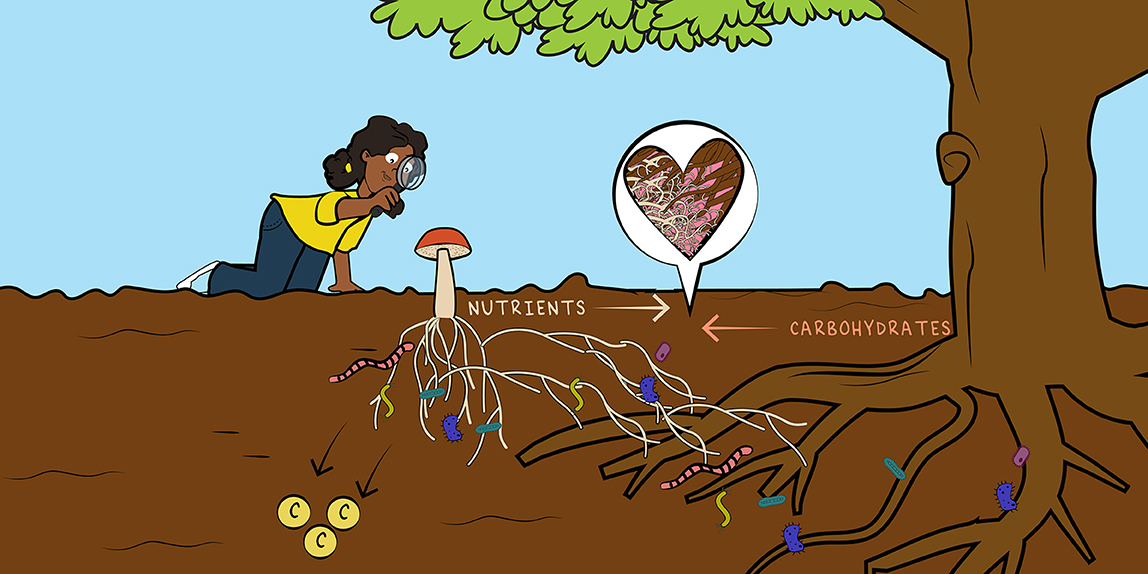
The nutritional activities of fungi have a profound impact on ecosystems. By decomposing organic matter, fungi release essential nutrients such as nitrogen, phosphorus, and carbon back into the soil. This process supports plant growth and maintains soil fertility.
The what is the mode of nutrition in fungi also influences food chains and nutrient cycles. Without fungi, dead organic matter would accumulate, and nutrients would remain locked away, disrupting ecological balance.
Economic and Agricultural Significance
Fungi play a significant role in agriculture and industry due to their nutritional behavior. Some fungi are used in the production of food, beverages, and medicines, while others cause crop diseases and food spoilage.
What is the mode of nutrition in fungi helps scientists develop methods to control harmful fungi and utilize beneficial ones. This knowledge is essential for improving crop yields, managing plant diseases, and promoting sustainable agriculture.
Fungi and Human Health
The nutritional habits of fungi also affect human health. Certain fungi cause infections by feeding on human tissues, while others are used to produce antibiotics and other valuable drugs.
By studying what is the mode of nutrition in fungi, researchers can better understand fungal diseases and develop effective treatments. This highlights the dual role of fungi as both beneficial and harmful organisms.
Comparison with Other Modes of Nutrition
When compared to plants and animals, fungal nutrition stands out due to its absorptive nature. Plants synthesize food internally, animals ingest and digest food internally, but fungi digest food externally and absorb nutrients.
This comparison emphasizes how the mode of nutrition in fungi represents a unique evolutionary strategy that has allowed them to occupy ecological niches unavailable to other organisms.
Educational Importance of Studying Fungal Nutrition
Learning about fungal nutrition is an important part of biological education. It helps students understand fundamental concepts such as heterotrophic nutrition, decomposition, and ecological interactions.
The mode of nutrition in fungi provides a clear example of how structure and function are closely related in living organisms. This topic also encourages appreciation of fungi’s role in sustaining life on Earth.
Conclusion
Fungi are remarkable organisms with a distinctive nutritional strategy that sets them apart from plants and animals. Their heterotrophic, absorptive method of obtaining food allows them to survive in diverse environments and perform essential ecological functions. Whether acting as decomposers, parasites, or symbiotic partners, fungi demonstrate the versatility and efficiency of their nutritional processes.
The mode of nutrition in fungi is not just a biological concept but a key factor in maintaining ecological balance, supporting agriculture, and advancing medical science. By understanding this mode of nutrition in fungi, we gain deeper insight into the interconnectedness of life and the vital role fungi play in sustaining our planet.
Read More:- What Is Nutrition Class 7: Complete Guide for Students

