

1. What are shrimp nutrition?
shrimp nutrition is the nutrient profile of shrimp, including protein, vitamins, and minerals.
2. Best shrimp nutrition benefits?
Shrimp nutrition supports muscle growth, brain health, and weight management.
It is high in protein and low in fat, making it a healthy seafood choice.
3. How to choose shrimp nutrition wisely?
Choose fresh, firm shrimp with a mild smell.
Prefer wild-caught or sustainably farmed shrimp for better quality and nutrition.
Introduction
Have you ever wondered why shrimp is considered one of the healthiest seafood choices in the world? Despite its small size, shrimp packs a powerful nutritional punch that surprises many health enthusiasts. From athletes to weight-watchers, shrimp has become a go-to protein source for those seeking a balanced and nutrient-rich diet.
Understanding seafood nutrition is essential today, especially as more people shift toward lean protein sources and heart-friendly diets. Shrimp stands out not only for its taste but also for its impressive nutrient density, making it a valuable addition to modern eating habits.
In this article, we’ll explore everything about shrimp’s nutritional value, health benefits, risks, and how it fits into a balanced lifestyle. Whether you’re focused on fitness, weight loss, or overall wellness, shrimp can play a meaningful role in your diet.
Quick Summary
- High in protein and low in calories
- Rich in vitamins like B12 and minerals such as selenium
- Supports heart and brain health
- Ideal for weight management diets
Nutritional Profile of Shrimp
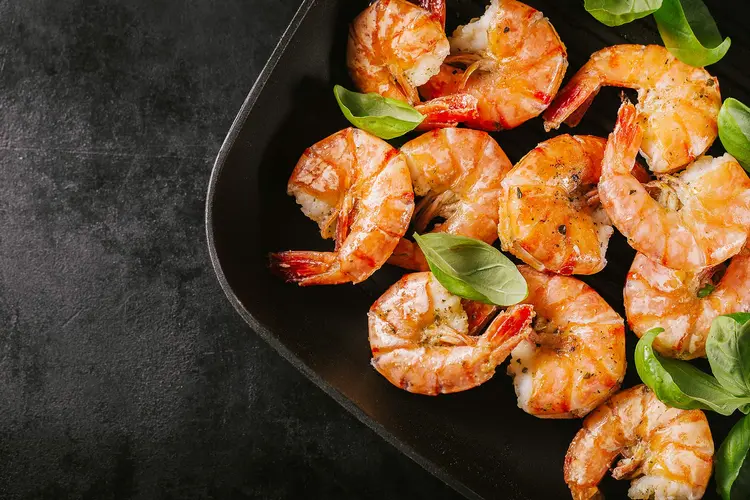
Shrimp is known for being a nutrient-dense seafood that delivers high protein without excessive calories. A 100-gram serving typically contains around 99 calories and nearly 24 grams of protein, making it one of the leanest animal protein sources available.
It also provides essential nutrients like iodine, phosphorus, zinc, and vitamin B12, which are crucial for metabolism, energy production, and nerve function. Additionally, shrimp contains omega-3 fatty acids, which contribute to heart and brain health.
A key insight from nutrition studies shows that seafood like shrimp can improve dietary quality by increasing protein intake while reducing saturated fat consumption.
Shrimp Nutrition Facts (Per 100g Serving)
| Nutrient | Amount |
|---|---|
| Calories | 99 kcal |
| Protein | 24 g |
| Fat | 0.3 g |
| Carbohydrates | 0.2 g |
| Cholesterol | 189 mg |
| Vitamin B12 | High |
| Selenium | 48 mcg |
This table highlights how shrimp delivers excellent protein content while remaining extremely low in fat and carbohydrates.
Health Benefits of Shrimp
Shrimp offers multiple health advantages when included in a balanced diet. Its nutrient profile supports several body functions, from muscle repair to immune strength.
One major benefit is its high protein content, which helps build and repair tissues. Protein also keeps you full longer, making shrimp an excellent choice for weight management diets. Additionally, shrimp contains antioxidants like astaxanthin, which help reduce inflammation in the body.
Another important benefit is its role in heart health. Although shrimp contains cholesterol, studies show that dietary cholesterol has less impact on blood cholesterol than previously believed, especially when consumed in moderation.
Shrimp also supports brain function due to its vitamin B12 and omega-3 content, which are essential for cognitive health and nerve signaling.
Shrimp Nutrition in Daily Diet
Including shrimp in your diet can be both easy and beneficial. It works well in salads, stir-fries, soups, and grilled dishes, making it a versatile protein option.
In real-life example, many fitness enthusiasts replace red meat with shrimp during cutting phases because it provides high protein with fewer calories and fats. This helps maintain muscle while reducing overall calorie intake.
The growing popularity of seafood diets shows that people are increasingly aware of low-fat protein sources that support long-term wellness goals.
Pros and Cons
Pros:
- High protein with low calories
- Rich in essential vitamins and minerals
- Supports weight management
- Quick and easy to cook
Cons:
- High cholesterol content
- Possible allergic reactions
- May contain contaminants if poorly sourced
- Not suitable for strict vegan diets
Expert Tips for Better Shrimp Consumption
- Choose fresh or frozen shrimp without additives
- Avoid deep frying; prefer grilling or steaming
- Pair with vegetables for balanced nutrition
- Limit intake to moderate portions for cholesterol control
These tips help maximize benefits while reducing potential downsides.
Common Mistakes to Avoid
- Overcooking shrimp, which reduces nutrient quality
- Consuming heavily processed or breaded shrimp
- Ignoring portion control
- Choosing low-quality farmed shrimp without checking source
Avoiding these mistakes ensures you get the most nutritional value from your meals.
Who Should Use Shrimp in Their Diet?
Shrimp is ideal for individuals looking for a high-protein, low-fat food source. Athletes, fitness enthusiasts, and people aiming for weight loss can benefit significantly from its nutrient profile. It also suits those who need quick, easy-to-digest meals without heavy calorie intake.
However, individuals with seafood allergies or high cholesterol concerns should consume it cautiously or consult a healthcare professional.
Shrimp Nutrition Insights & Stats

- Shrimp contains about 20–25 grams of protein per 100 grams, making it one of the richest seafood protein sources.
- Studies suggest that seafood-rich diets may reduce heart disease risk by up to 15–20% when balanced properly.
These insights highlight its growing importance in modern nutrition planning.
Summary Recap
Shrimp is a nutrient-rich seafood that provides high-quality protein, essential vitamins, and minerals while remaining low in calories and fat. It supports heart health, brain function, and weight management when consumed in moderation as part of a balanced diet.
Conclusion
In conclusion, shrimp nutrition highlights why this small seafood powerhouse is gaining global popularity among health-conscious individuals. Its combination of lean protein, essential nutrients, and versatility makes it a smart choice for modern diets.
Whether your goal is weight loss, muscle building, or simply eating healthier, shrimp can be a valuable addition to your weekly meal plan. The key is balance—choose quality sources, cook it healthily, and enjoy it in moderation for long-term benefits.
Read More:-McDonald’s Nutrition Facts: Calories, Protein & Health Guide

