
Introduction
Autotrophic nutrition is one of the most fundamental processes supporting life on Earth. It forms the base of almost every food chain and is responsible for maintaining the balance of oxygen, carbon dioxide, and energy flow within ecosystems. To understand life from a biological and ecological perspective, it is essential to explore what are the necessary conditions for autotrophic nutrition and what are its by-products. This process allows certain organisms to prepare their own food using simple inorganic substances and energy from natural sources.
Autotrophic nutrition is mainly seen in green plants, algae, and some bacteria. These organisms are called autotrophs because they do not depend on other living beings for food. Instead, they manufacture organic food materials from carbon dioxide and water. The entire process not only sustains the autotrophs themselves but also supports heterotrophic organisms directly or indirectly.
This article provides an in-depth explanation of what are the necessary conditions for autotrophic nutrition and what are its by-products, covering the concept, requirements, mechanism, significance, environmental role, and long-term impact on life systems. Each section is designed to give clarity and depth while maintaining a smooth, readable flow.
Understanding the Concept of Autotrophic Nutrition
Autotrophic nutrition refers to a mode of nutrition in which organisms synthesize their own food from simple inorganic substances. The word autotrophic is derived from Greek, where “auto” means self and “trophe” means nourishment. This means self-feeding or self-nourishing organisms.
In autotrophic nutrition, energy is required to convert inorganic materials into complex organic compounds such as glucose. Depending on the source of energy, autotrophic nutrition is divided into photosynthetic autotrophic nutrition and chemosynthetic autotrophic nutrition. Photosynthetic autotrophs use light energy, whereas chemosynthetic autotrophs use chemical energy derived from oxidation reactions.
When studying what are the necessary conditions for autotrophic nutrition and what are its by-products, photosynthesis receives the most attention because it is the dominant process occurring in green plants and is crucial for sustaining oxygen levels on Earth.
Types of Autotrophic Nutrition
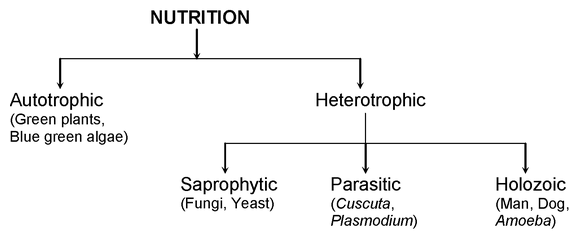
Autotrophic nutrition can be classified into two main types based on the energy source used during food synthesis. Photosynthetic autotrophic nutrition is the most common form and occurs in green plants, algae, and cyanobacteria. These organisms use sunlight to convert carbon dioxide and water into glucose.
Chemosynthetic autotrophic nutrition occurs in certain bacteria that live in extreme environments such as deep oceans or sulfur-rich soils. These organisms do not rely on sunlight. Instead, they obtain energy by oxidizing inorganic substances like ammonia, hydrogen sulfide, or iron compounds.
Although both types follow different energy pathways, the core principle remains the same: the organism synthesizes its own food. To clearly understand what are the necessary conditions for autotrophic nutrition and what are its by-products, it is important to focus mainly on photosynthetic autotrophs, as they contribute significantly to ecological balance.
The Importance of Studying Autotrophic Nutrition
Autotrophic nutrition forms the foundation of all food chains and food webs. Without autotrophs, life on Earth would not be sustainable. All heterotrophic organisms, including humans, depend either directly or indirectly on autotrophs for food.
By understanding what are the necessary conditions for autotrophic nutrition and what are its by-products, students and researchers gain insight into how energy flows through ecosystems. This knowledge also helps in understanding environmental issues such as climate change, deforestation, oxygen depletion, and carbon cycling.
Autotrophic nutrition is also important from an agricultural perspective, as crop productivity depends on efficient photosynthesis. Improving conditions for autotrophic nutrition directly affects food security and ecological stability.
Essential Raw Materials Required for Autotrophic Nutrition
One of the most crucial aspects of understanding what are the necessary conditions for autotrophic nutrition and what are its by-products is identifying the raw materials needed for the process. Autotrophic organisms require specific substances to synthesize food.
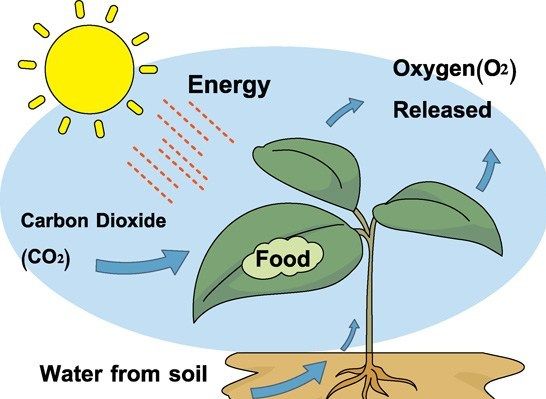
Carbon dioxide is one of the primary raw materials used in autotrophic nutrition. It is absorbed from the atmosphere through tiny openings called stomata in plant leaves. Carbon dioxide provides the carbon atoms necessary for the formation of carbohydrates.
Water is another essential raw material and is absorbed from the soil through the roots. Water not only supplies hydrogen but also plays a vital role in maintaining cell turgidity and enabling biochemical reactions during food synthesis.
Mineral nutrients absorbed from the soil also support the overall process by maintaining enzyme activity and cellular functions, although they are not directly converted into food molecules.
Role of Sunlight as an Energy Source
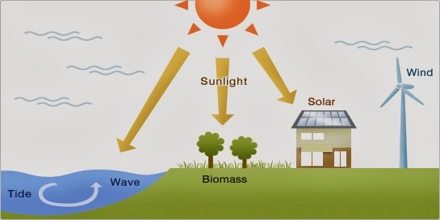
Sunlight is one of the most important necessary conditions for autotrophic nutrition in photosynthetic organisms. It provides the energy required to drive the chemical reactions involved in food synthesis.
Light energy is absorbed by pigments present in chloroplasts, mainly chlorophyll. This absorbed energy excites electrons and initiates a series of reactions that ultimately lead to the formation of glucose.
The intensity, duration, and quality of sunlight directly influence the rate of autotrophic nutrition. Insufficient light can slow down the process, while optimal light conditions enhance food production.
When analyzing what are the necessary conditions for autotrophic nutrition and what are its by-products, sunlight stands out as the primary energy source that powers the entire system.
Importance of Chlorophyll in Autotrophic Nutrition
Chlorophyll is a green pigment present in the chloroplasts of plant cells. It plays a central role in absorbing light energy during photosynthesis. Without chlorophyll, plants would not be able to trap sunlight and convert it into chemical energy.
Chlorophyll absorbs light mainly in the red and blue regions of the electromagnetic spectrum and reflects green light, which gives plants their characteristic color. The absorbed energy is used to split water molecules and generate energy-rich compounds.
Understanding what are the necessary conditions for autotrophic nutrition and what are its by-products becomes incomplete without recognizing the role of chlorophyll, as it acts as the bridge between light energy and chemical energy.
Optimal Environmental Conditions for Autotrophic Nutrition
Environmental factors greatly influence the efficiency of autotrophic nutrition. Temperature plays a significant role because photosynthesis is controlled by enzymes, which function best within a specific temperature range.
If the temperature is too low, enzymatic reactions slow down. If it is too high, enzymes may denature, reducing the efficiency of the process. Humidity also affects stomatal opening, which in turn influences carbon dioxide intake.
Availability of water in the soil is another crucial environmental condition. Water stress can limit the rate of autotrophic nutrition and affect plant growth.
These factors collectively help explain what are the necessary conditions for autotrophic nutrition and what are its by-products in real-world ecosystems.
The Mechanism of Autotrophic Nutrition in Plants
The process of autotrophic nutrition in plants mainly occurs through photosynthesis, which takes place in chloroplasts. Photosynthesis involves a sequence of reactions that convert light energy into chemical energy stored in glucose.
The process begins with the absorption of sunlight by chlorophyll. This energy is used to split water molecules into hydrogen and oxygen. Oxygen is released into the atmosphere, while hydrogen is used to reduce carbon dioxide into glucose.
This entire mechanism highlights how simple inorganic substances are transformed into energy-rich organic compounds, reinforcing the understanding of what are the necessary conditions for autotrophic nutrition and what are its by-products.
Formation of Food During Autotrophic Nutrition
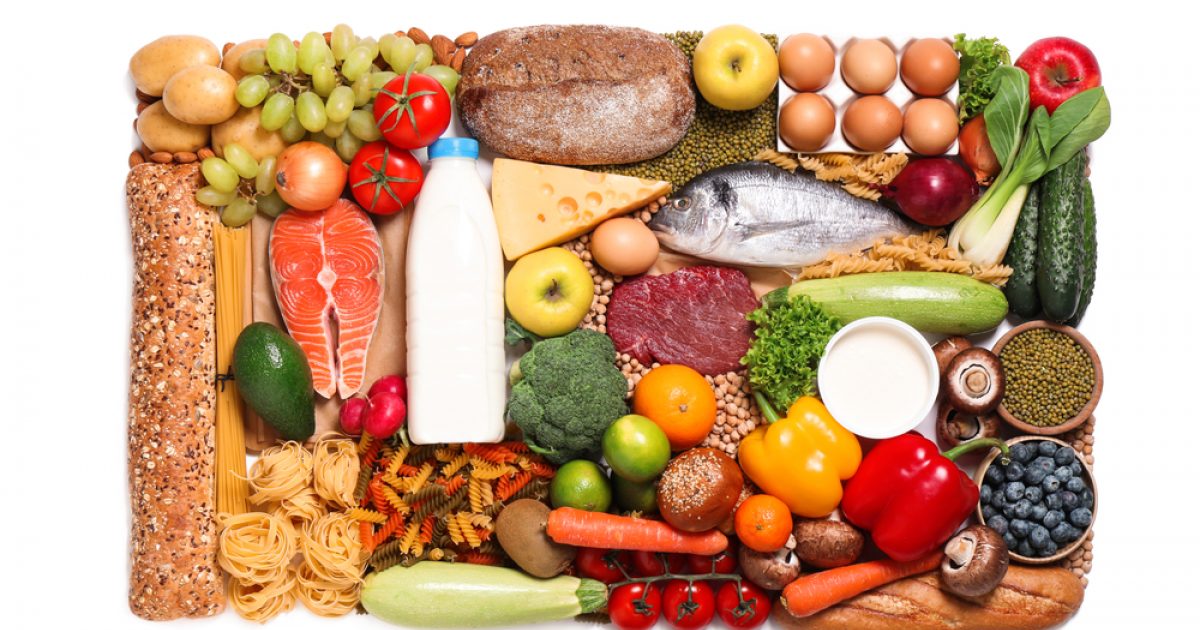
The primary food produced during autotrophic nutrition is glucose. Glucose serves as an immediate source of energy for the plant and is also used to synthesize other complex compounds such as starch, cellulose, and proteins.
Excess glucose is stored as starch in leaves, roots, stems, or fruits. This stored food supports plant growth and development during periods when photosynthesis is limited.
By studying what are the necessary conditions for autotrophic nutrition and what are its by-products, it becomes evident that autotrophs are not just food producers but also energy reservoirs within ecosystems.
By-Products of Autotrophic Nutrition
One of the most important by-products of autotrophic nutrition is oxygen. Oxygen is released into the atmosphere as a result of water splitting during photosynthesis. This oxygen is essential for the survival of aerobic organisms, including humans.
Another by-product is water, which is sometimes released during metabolic processes. Heat energy is also generated as a secondary by-product, although it is not directly useful for the organism.
Understanding what are the necessary conditions for autotrophic nutrition and what are its by-products helps explain how life-supporting gases are maintained in the atmosphere.
Ecological Significance of Autotrophic By-Products
The by-products of autotrophic nutrition have immense ecological importance. Oxygen released during photosynthesis maintains atmospheric oxygen levels and supports respiration in living organisms.
The removal of carbon dioxide from the atmosphere helps regulate global temperature and reduces the greenhouse effect. This balance is crucial for maintaining climate stability.
When discussing what are the necessary conditions for autotrophic nutrition and what are its by-products, the ecological benefits extend far beyond individual organisms to entire ecosystems and the planet as a whole.
Relationship Between Autotrophic Nutrition and Life Sustainability
Autotrophic nutrition is directly linked to the sustainability of life on Earth. It ensures a continuous supply of food and oxygen while maintaining energy flow within ecosystems.
All heterotrophs depend on autotrophs either directly by consuming plants or indirectly by consuming plant-eating animals. Without autotrophic nutrition, food chains would collapse.
This dependency further reinforces the importance of understanding what are the necessary conditions for autotrophic nutrition and what are its by-products in biological studies.
Human Dependence on Autotrophic Nutrition
Human survival is deeply connected to autotrophic nutrition. The food we eat, the oxygen we breathe, and the fuels we use all originate from autotrophic processes.
Agriculture relies on enhancing autotrophic nutrition through proper irrigation, fertilization, and sunlight exposure. Forests act as natural oxygen producers and carbon sinks.
Recognizing what are the necessary conditions for autotrophic nutrition and what are its by-products helps humans manage natural resources more responsibly.
Conclusion
Autotrophic nutrition is a vital biological process that sustains life on Earth. It allows certain organisms to produce their own food using simple inorganic substances and energy from natural sources. To fully grasp this concept, it is essential to understand what are the necessary conditions for autotrophic nutrition and what are its by-products.
The availability of sunlight, carbon dioxide, water, chlorophyll, suitable temperature, and mineral nutrients are all critical conditions that enable autotrophic nutrition to occur efficiently. In return, this process produces valuable by-products such as oxygen, which supports aerobic life and maintains ecological balance.
By exploring what are the necessary conditions for autotrophic nutrition and what are its by-products, we gain insight into the interconnectedness of life, energy flow, and environmental stability. This understanding highlights the importance of preserving plant life and maintaining healthy ecosystems for the future of our planet.
Read More:- Mode of Nutrition in Fungi Explained in Detail

