
Introduction
A sprained ankle is one of the most common injuries affecting athletes, active adults, and even people during daily activities. Knowing how to care for it properly is key to a fast and safe recovery. This guide covers everything you need—from understanding the injury to regaining full mobility.
Understanding a Sprained Ankle
What Is a Sprained Ankle?
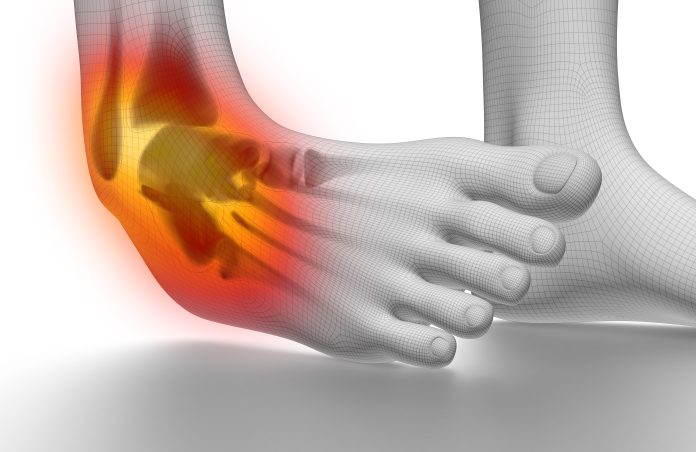
A sprained ankle occurs when the ligaments that support the ankle are stretched or torn. Ligaments connect bones to each other, and an injury happens when these ligaments are forced beyond their normal range.
A sprained ankle happens when ligaments stretch or tear. Learn causes, symptoms, and treatment to recover safely and prevent future injuries.
Causes of a Sprained Ankle
The most common causes include:
- Rolling or twisting the ankle awkwardly
- Landing incorrectly from a jump
- Uneven surfaces while walking or running
- Sudden sports movements
- Weak ankle muscles or previous injuries
Types and Grades of Sprains
Sprains are classified based on severity:
| Grade | Description | Symptoms | Recovery Time |
|---|---|---|---|
| I | Mild stretch | Slight swelling, minimal pain | 1–2 weeks |
| II | Partial tear | Moderate swelling, bruising, difficulty walking | 3–6 weeks |
| III | Complete tear | Severe swelling, instability, unable to bear weight | 6–12 weeks |
Understanding the grade helps guide the right treatment plan.
Symptoms and Diagnosis
Common Signs of a Sprained Ankle
- Pain around the ankle
- Swelling and bruising
- Tenderness when touched
- Difficulty walking or bearing weight
- Instability or “giving way” sensation
When to See a Doctor
Seek professional care if:
- Severe pain or inability to move the ankle
- Significant swelling or bruising
- Suspected bone fracture
- Sprain doesn’t improve after a few days
Tests and Imaging for Diagnosis
Doctors may use physical exams and imaging, such as:
- X-rays to rule out fractures
- MRI to assess ligament damage
- Ultrasound for soft tissue evaluation
Immediate Care for a Sprained Ankle
Early care significantly impacts recovery speed and reduces complications.
R.I.C.E Method: Rest, Ice, Compression, Elevation
- Rest: Avoid putting weight on the ankle. Use crutches if necessary.
- Ice: Apply an ice pack for 15–20 minutes every 2–3 hours for the first 48 hours.
- Compression: Wrap with an elastic bandage to reduce swelling.
- Elevation: Keep the ankle above heart level whenever possible.
Over-the-Counter Pain Relief Options
- Ibuprofen or acetaminophen can reduce pain and swelling
- Always follow dosage instructions carefully
- Avoid excessive reliance on medication to mask pain
Avoiding Common Mistakes in Early Care
- Walking too soon without support
- Skipping exercises that restore mobility
- Ignoring persistent swelling or pain
Early Care Tips:
- Use ice immediately after injury
- Rest the ankle to prevent further damage
- Compress with an elastic wrap
- Elevate the ankle above heart level
-
Consult a doctor if pain persists
Use R.I.C.E method and proper early care for a sprained ankle. Rest, ice, compression, and elevation speed up recovery and prevent complications.
Rehabilitation and Recovery
Recovery focuses on restoring strength, flexibility, and stability to prevent re-injury.
Gentle Exercises for Mobility
Once swelling decreases, start gentle movements:
- Ankle circles
- Alphabet exercise (tracing letters with toes)
- Towel scrunches to strengthen foot muscles
Strengthening the Ankle
Strengthening helps prevent future sprains:
- Resistance band exercises
- Heel raises
- Toe walking exercises
- Balance board training
| Exercise | Purpose | Frequency |
|---|---|---|
| Ankle circles | Improve range of motion | 3–5 min/day |
| Resistance band push | Strengthen ligaments | 2–3 sets/day |
| Heel raises | Strengthen calf muscles | 10–15 reps/day |
| Balance exercises | Enhance stability | 5 min/day |
Balance and Proprioception Training
Balance and proprioception training help the ankle respond better to sudden movements:
- Standing on one leg
- Using wobble boards
- Walking on uneven surfaces
Returning to Daily Activities and Sports
Tips for Gradual Return
- Start with low-impact activities like swimming or cycling
- Progressively increase intensity
- Use supportive braces or taping during sports
- Monitor for pain or swelling
Preventing Re-Injury
- Maintain ankle strength and flexibility
- Warm up before exercises or sports
- Wear proper footwear for your activity
- Avoid uneven surfaces initially
Supportive Gear: Braces and Tape
- Elastic ankle braces offer light support
- Rigid braces may be needed for severe sprains
- Taping provides extra stability during activity
Prevent future sprains by strengthening ankles, warming up before sports, and using braces. Proper rehab ensures safe return to full mobility.
Conclusion
A sprained ankle may be painful, but with proper care, exercises, and gradual rehabilitation, you can regain full mobility. Early treatment using the R.I.C.E method, consistent strength and balance training, and support during activity are key to preventing re-injury. By following this guide, your ankle can heal safely and you can return to daily life and sports confidently.
Read More:- Eosinophils and Cancer: Understanding the Connectio

