

Daily wellness habits are the foundation of a healthier, happier, and more productive life. While many people focus on major health transformations, the truth is that lasting results often come from small actions performed consistently every day. Developing positive routines can improve physical fitness, mental clarity, emotional balance, and overall well-being without requiring drastic lifestyle changes.
In today’s fast-paced world, maintaining good health can seem challenging. Busy schedules, digital distractions, poor eating habits, and lack of exercise often take a toll on both body and mind. However, adopting simple practices and making conscious choices can significantly enhance your quality of life. The key lies in consistency rather than perfection.
This guide explores practical and sustainable habits that support better health. Whether you want more energy, improved focus, stronger immunity, or greater emotional resilience, these daily strategies can help you achieve your wellness goals and create a healthier future.
Why Daily Wellness Habits Matter
Building healthy routines is one of the most effective ways to improve long-term health outcomes. Small actions repeated regularly create positive patterns that influence every aspect of life. Healthy habits reduce the risk of chronic diseases, improve mood, increase productivity, and enhance overall satisfaction.
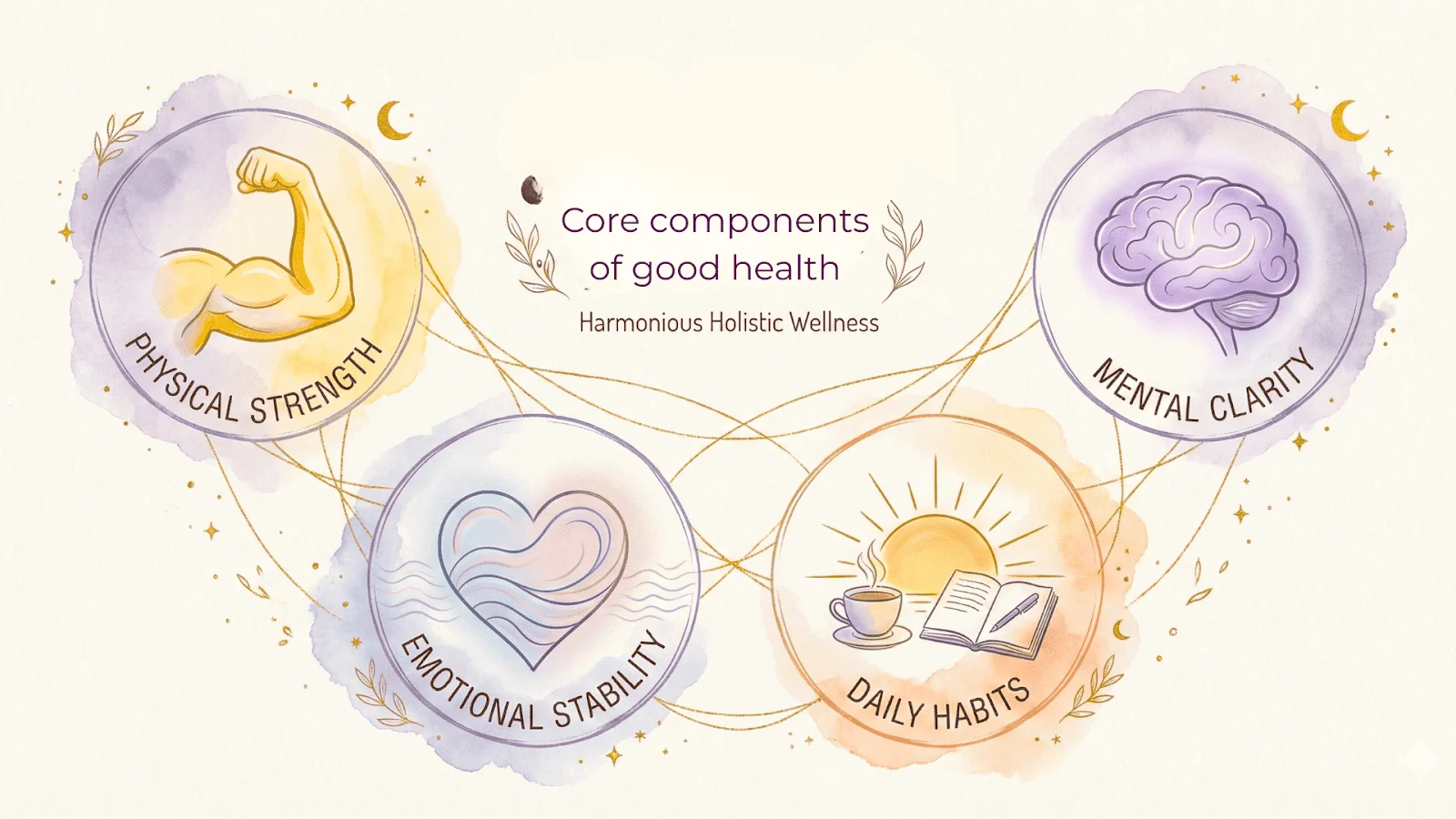
When people think about health improvement, they often focus on quick fixes or extreme programs. However, research consistently shows that sustainable changes produce the best results. The concept of daily wellness emphasizes gradual progress through manageable actions that become part of everyday life.
Healthy routines also reduce decision fatigue. When beneficial behaviors become automatic, less mental effort is required to maintain them. This allows individuals to focus on other important areas of life while still supporting their physical and mental health.
Over time, these habits compound, creating significant improvements in energy levels, sleep quality, stress management, and physical fitness. The cumulative effect of consistent wellness practices can transform overall well-being and promote longevity.
Start Your Day with a Healthy Morning Routine
The way you begin your day often influences how the rest of the day unfolds. A structured morning routine helps establish a positive mindset and prepares both body and mind for daily challenges.
A healthy morning routine should include hydration, movement, and mindful preparation. Drinking water shortly after waking helps rehydrate the body after several hours of sleep. Light stretching or gentle exercise improves circulation and increases alertness.
Many successful individuals dedicate time each morning to reflection, gratitude, or planning. These practices help reduce stress and improve focus throughout the day. Instead of immediately checking social media or emails, consider spending a few minutes setting intentions and prioritizing important tasks.
Creating a consistent morning schedule also supports better sleep patterns. Waking up at the same time each day helps regulate your internal clock and promotes improved energy levels. This simple yet powerful aspect of daily wellness can positively affect productivity, mood, and physical health.
Essential Morning Habits
- Drink a glass of water after waking up
- Stretch for 5–10 minutes
- Eat a balanced breakfast
- Practice gratitude or meditation
- Plan your priorities for the day
- Avoid excessive screen time immediately after waking
Prioritize Balanced Nutrition Every Day
Nutrition plays a central role in overall health and wellness. The food you consume provides the energy and nutrients necessary for bodily functions, mental performance, and disease prevention.

A balanced diet includes a variety of fruits, vegetables, whole grains, lean proteins, and healthy fats. These foods supply essential vitamins, minerals, antioxidants, and fiber that support optimal health. Rather than following restrictive diets, focus on creating sustainable eating habits that can be maintained long term.
Meal planning can help reduce unhealthy food choices and ensure access to nutritious options throughout the day. Preparing meals in advance minimizes reliance on convenience foods that are often high in sugar, sodium, and unhealthy fats.
Mindful eating is another valuable practice. Paying attention to hunger signals and eating without distractions can improve digestion and prevent overeating. Consistent nutritional choices contribute significantly to daily wellness and support both physical and mental performance.
Foods That Support Better Health
| Food Category | Benefits |
|---|---|
| Fruits | Rich in vitamins and antioxidants |
| Vegetables | Support immunity and digestion |
| Whole Grains | Provide sustained energy |
| Lean Proteins | Build and repair tissues |
| Healthy Fats | Support brain and heart health |
| Nuts and Seeds | Offer healthy nutrients and fiber |
Stay Physically Active Throughout the Day
Regular movement is one of the most effective ways to improve health and reduce disease risk. Physical activity strengthens muscles, improves cardiovascular function, supports weight management, and enhances mental well-being.

Exercise does not necessarily require lengthy gym sessions. Walking, cycling, stretching, gardening, and household activities all contribute to overall fitness. The goal is to incorporate movement consistently into your daily routine.
Many people spend extended periods sitting during work hours, which can negatively affect health. Taking short movement breaks throughout the day helps improve circulation, reduce stiffness, and maintain energy levels. Even brief periods of activity can make a meaningful difference.
Developing an enjoyable exercise routine increases the likelihood of long-term adherence. Whether it involves yoga, dancing, swimming, or strength training, finding activities you enjoy is essential for maintaining daily wellness and supporting a healthy lifestyle.
Improve Sleep Quality for Better Recovery
Quality sleep is essential for physical restoration, cognitive performance, and emotional regulation. Yet many individuals underestimate its importance and sacrifice sleep to meet work or social demands.
Adults generally require seven to nine hours of sleep each night. During sleep, the body repairs tissues, strengthens the immune system, and processes information gathered throughout the day. Poor sleep can contribute to weight gain, increased stress, reduced concentration, and weakened immunity.
Establishing a consistent sleep schedule helps regulate the body’s natural rhythms. Going to bed and waking up at the same time daily can improve sleep quality significantly. Creating a calming bedtime routine also supports better rest.
Limiting caffeine intake late in the day, reducing screen exposure before bedtime, and maintaining a comfortable sleep environment are practical strategies for promoting healthy sleep. Prioritizing rest is a critical component of daily wellness and long-term health maintenance.
Manage Stress Effectively
Stress is a natural part of life, but chronic stress can have serious consequences for physical and mental health. Effective stress management is essential for maintaining overall well-being and preventing burnout.

Common symptoms of excessive stress include fatigue, irritability, difficulty concentrating, headaches, and sleep disturbances. Recognizing these signs early allows individuals to take proactive steps to reduce stress levels.
Mindfulness practices such as meditation, deep breathing exercises, and journaling can help calm the mind and improve emotional resilience. Spending time in nature, engaging in hobbies, and maintaining supportive relationships also contribute to stress reduction.
Rather than eliminating stress entirely, focus on developing healthy coping strategies. Consistent stress management practices strengthen emotional health and support the broader goals of daily wellness by promoting balance and stability.
Simple Stress-Relief Techniques
Deep Breathing
Slow, controlled breathing can lower heart rate and promote relaxation within minutes.
Meditation
Daily meditation improves focus, emotional regulation, and mental clarity.
Journaling
Writing down thoughts and feelings helps process emotions and reduce anxiety.
Physical Activity
Exercise releases endorphins that naturally improve mood and decrease stress.
Stay Hydrated for Optimal Health
Water is essential for nearly every bodily function, including digestion, circulation, temperature regulation, and nutrient transport. Even mild dehydration can negatively affect energy levels, concentration, and physical performance.
Many people fail to drink enough water throughout the day, especially when busy or distracted. Developing hydration habits can significantly improve overall well-being and support healthy body functions.
Carrying a reusable water bottle serves as a simple reminder to drink regularly. Consuming water-rich foods such as fruits and vegetables can also contribute to hydration. While individual needs vary, aiming for consistent fluid intake throughout the day is beneficial.
Proper hydration supports skin health, kidney function, and cognitive performance. Incorporating this habit into your daily wellness routine can enhance energy levels and contribute to better overall health.
Nurture Mental and Emotional Well-Being
Health extends beyond physical fitness. Mental and emotional wellness are equally important components of a balanced life. Developing healthy emotional habits can improve resilience, relationships, and overall happiness.
Practicing gratitude is one effective strategy for enhancing emotional well-being. Taking a few moments each day to acknowledge positive experiences can shift focus away from negativity and increase life satisfaction.
Maintaining meaningful social connections is also essential. Strong relationships provide emotional support, reduce feelings of isolation, and contribute to mental health. Spending quality time with family and friends strengthens these bonds.
Engaging in activities that bring joy and fulfillment supports emotional balance. Whether reading, painting, gardening, or learning a new skill, pursuing personal interests contributes to daily wellness and promotes a positive outlook on life.
Reduce Screen Time and Digital Overload
Technology offers many benefits, but excessive screen time can negatively affect physical and mental health. Constant exposure to digital devices may contribute to eye strain, poor posture, sleep disturbances, and increased stress.
Creating boundaries around technology use can improve overall well-being. Designating screen-free periods during meals, before bedtime, and during social interactions encourages healthier habits and greater presence.
Digital detox practices allow individuals to reconnect with real-world experiences and reduce information overload. Spending time outdoors, engaging in hobbies, and participating in face-to-face conversations can help restore balance.
Reducing unnecessary screen exposure supports mental clarity, improves sleep quality, and aligns with the goals of daily wellness by encouraging mindful living and healthier lifestyle choices.
Build Consistency and Track Progress
One of the most important aspects of achieving better health is consistency. Even the most effective habits provide limited benefits if practiced only occasionally. Sustainable improvement comes from regular repetition and gradual progress.
Tracking habits can increase motivation and accountability. Many people find success using journals, planners, or mobile applications to monitor their behaviors and celebrate achievements. Recording progress provides valuable insights into patterns and areas for improvement.
Setting realistic goals is equally important. Rather than attempting to change everything at once, focus on one or two habits initially. Small victories create momentum and make larger changes easier to sustain over time.
Consistency transforms healthy actions into automatic behaviors. By committing to regular practice, individuals can strengthen their daily wellness routine and experience lasting improvements in health and quality of life.
Conclusion
Developing healthy habits does not require dramatic lifestyle changes. In fact, the most successful wellness journeys often begin with simple, manageable actions performed consistently each day. From balanced nutrition and regular exercise to quality sleep and stress management, every positive choice contributes to better overall health.

