

White rice is one of the most widely consumed staple foods in the world. From Asian cuisines to Latin American dishes and everyday family meals, it serves as an affordable, versatile, and satisfying source of energy. Although it has often been criticized because of its carbohydrate content, modern nutrition research shows that white rice can be part of a healthy diet when eaten in appropriate portions and combined with nutrient-rich foods.
Understanding white rice nutrition facts helps people make informed dietary choices rather than relying on common misconceptions. While white rice loses some nutrients during processing, many varieties are enriched with important vitamins and minerals that support overall health.
Today, nutrition experts emphasize the importance of looking at the entire meal instead of judging one ingredient in isolation. White rice paired with vegetables, lean proteins, legumes, and healthy fats creates a balanced meal suitable for people of all ages. Learning the real white rice nutrition facts allows you to enjoy this popular grain while maintaining healthy eating habits.
What Is White Rice?
White rice is a refined grain produced by removing the outer bran layer and germ from whole grain rice. This process gives it a softer texture, longer shelf life, and quicker cooking time. The polishing process also creates the familiar white appearance that most consumers recognize.
Because the bran and germ are removed, white rice contains less fiber than brown rice. However, many countries enrich white rice with nutrients such as folic acid, iron, niacin, and thiamine to improve its nutritional value. As a result, the current white rice nutrition facts show that enriched white rice remains an important dietary staple for millions of people worldwide.
White Rice Nutrition Facts Per 100 Grams
The following values represent approximately 100 grams of cooked white rice.
| Nutrient | Amount |
|---|---|
| Calories | 130 kcal |
| Carbohydrates | 28.7 g |
| Protein | 2.7 g |
| Fat | 0.3 g |
| Fiber | 0.4 g |
| Sugar | 0.1 g |
| Sodium | 1 mg |
| Potassium | 35 mg |
| Calcium | 10 mg |
| Iron | 0.8 mg |
| Magnesium | 12 mg |
| Phosphorus | 43 mg |
| Folate (Enriched) | Varies |
These white rice nutrition facts may vary slightly depending on the variety, cooking method, and whether the rice is enriched or fortified.
Macronutrients in White Rice
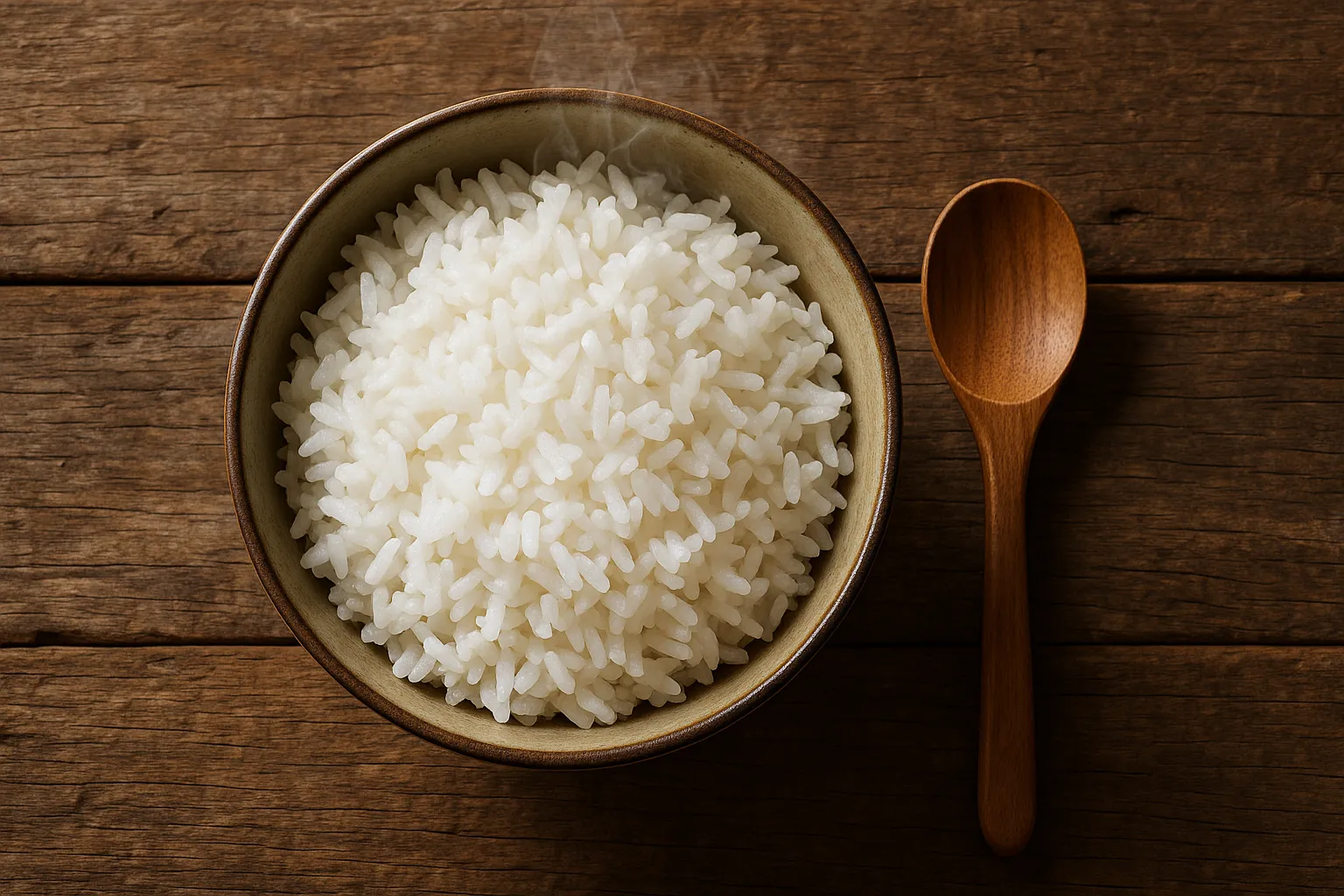
Carbohydrates
Carbohydrates make up the majority of white rice, providing the body with its primary source of energy. Athletes, active individuals, and people with physically demanding jobs often include white rice in their meals because it replenishes glycogen stores efficiently. The carbohydrates found in rice are mostly complex starches that digest into glucose, fueling muscles and the brain.
Protein
White rice contains a modest amount of protein. Although it is not considered a complete protein because it lacks sufficient quantities of some essential amino acids, pairing it with beans, lentils, eggs, dairy, or lean meat creates a more balanced protein intake. This combination is common in many traditional diets around the world.
Fat
One of the notable white rice nutrition facts is its naturally low fat content. It contains almost no saturated fat or cholesterol, making it suitable for heart-conscious meal planning when prepared without excessive butter or oils.
Vitamins and Minerals in White Rice
Despite popular belief, white rice still contributes valuable micronutrients, particularly when enriched. B vitamins help convert food into energy and support nervous system function. Iron supports oxygen transport throughout the body, while folic acid is especially important during pregnancy because it helps reduce the risk of neural tube defects.
Although white rice contains lower amounts of magnesium and fiber than whole grains, its nutrient profile improves considerably when eaten alongside vegetables, legumes, nuts, and protein-rich foods.
Health Benefits of White Rice
The latest understanding of white rice nutrition facts highlights that white rice offers several practical health benefits when consumed in moderation as part of an overall balanced diet.
One significant advantage is its easy digestibility. Since much of the fiber has been removed, white rice is gentler on the digestive system than many whole grains. Healthcare professionals often recommend it during recovery from stomach illnesses or digestive discomfort because it is less likely to irritate the digestive tract.
White rice also provides quick, reliable energy. Students, athletes, and physically active adults benefit from its carbohydrate content before or after exercise. Post-workout meals frequently include rice because it helps restore muscle glycogen stores efficiently.
Another benefit is its naturally gluten-free composition. Individuals with celiac disease or gluten sensitivity can safely consume plain white rice without worrying about gluten exposure. This makes it one of the most versatile grain options available.
Is White Rice Healthy?
For years, white rice was unfairly labeled as unhealthy simply because it is refined. However, nutrition experts now focus more on dietary patterns than individual foods. White rice itself is not inherently unhealthy. Problems usually arise from consistently eating oversized portions or pairing it with foods high in saturated fat, sugar, and sodium.
Understanding accurate white rice nutrition facts means recognizing that moderation is key. Eating reasonable serving sizes alongside vegetables, lean proteins, and healthy fats creates a nutritious meal that fits into most healthy eating plans.
White Rice vs Brown Rice
Brown rice retains its bran and germ, making it naturally higher in fiber, magnesium, antioxidants, and several other nutrients. White rice, however, cooks faster, has a softer texture, and may be easier for some individuals to digest.
Neither option is universally superior. Brown rice may offer additional fiber benefits, while white rice remains an excellent energy source. The better choice often depends on individual dietary needs, digestive tolerance, cultural preferences, and meal planning goals.
Potential Drawbacks
Although the overall white rice nutrition facts are positive, there are some considerations worth keeping in mind.
- White rice contains less fiber than brown rice, which may reduce feelings of fullness.
- It has a higher glycemic index than many whole grains, potentially causing faster blood sugar increases in some people.
- Large portions consumed regularly without protein or vegetables may contribute to excessive calorie intake.
- Processing removes certain naturally occurring vitamins and antioxidants.
These limitations do not mean white rice should be avoided. Instead, they highlight the importance of balanced meals and portion awareness.
How to Make White Rice More Nutritious
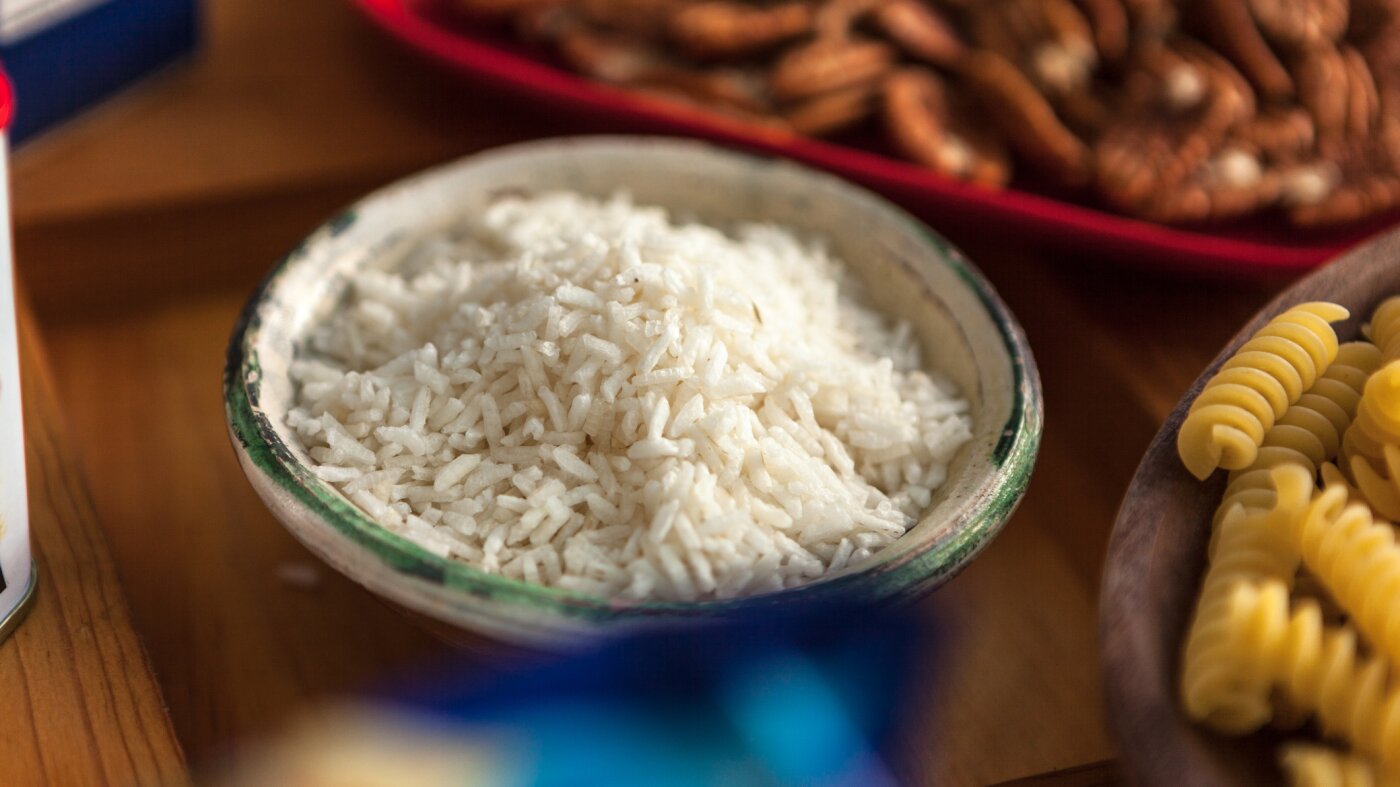
A simple bowl of rice becomes far more nutritious when paired with complementary foods. Instead of viewing rice as the entire meal, think of it as the foundation for a balanced plate.
Some practical ways to improve meals include:
- Add grilled chicken, fish, tofu, or beans for protein.
- Include colorful vegetables for fiber and antioxidants.
- Use healthy fats like avocado or olive oil in moderation.
- Choose enriched white rice whenever available.
These combinations improve both nutritional quality and overall satisfaction while keeping meals enjoyable.
White Rice for Weight Management
Many people assume rice automatically leads to weight gain, but research suggests otherwise. Weight gain occurs primarily when calorie intake consistently exceeds calorie expenditure. White rice can fit into weight management plans if portion sizes remain appropriate and meals are balanced.
A typical serving of cooked white rice is around half to one cup. Combining that serving with vegetables and lean protein creates a filling meal without excessive calories. Paying attention to total dietary habits matters far more than eliminating rice completely.
Who Should Eat White Rice?
White rice is suitable for a wide variety of individuals because of its versatility and digestibility. Children often enjoy its mild taste, while older adults may appreciate its soft texture. Athletes use it for rapid carbohydrate replenishment, and individuals recovering from digestive illnesses frequently tolerate it better than higher-fiber grains.
People managing diabetes do not necessarily need to avoid white rice completely. Instead, healthcare providers generally recommend pairing it with protein, healthy fats, and fiber-rich vegetables to help reduce rapid blood sugar spikes.
Cooking Methods That Preserve Nutrition
The way rice is prepared can influence its final nutritional profile. Steaming or boiling without excessive butter or oil keeps calories relatively low while preserving most of the naturally occurring nutrients. Using broth, herbs, garlic, or spices instead of heavy sauces enhances flavor without adding unnecessary saturated fat.
Cooling cooked rice and reheating it later may also slightly increase resistant starch, which can modestly improve blood sugar response and digestive health. Proper refrigeration remains essential for food safety.
Common Myths About White Rice
Several myths continue to surround white rice despite current nutrition evidence. One common misconception is that white rice has no nutritional value. In reality, enriched varieties provide important vitamins and minerals along with energy-producing carbohydrates.
Another myth claims that everyone should replace white rice with brown rice. While brown rice offers additional fiber, white rice remains an excellent option for many people depending on digestive health, personal preference, activity level, and overall dietary pattern. Looking at complete white rice nutrition facts rather than isolated opinions provides a much clearer picture.
Frequently Asked Questions
Is white rice good for weight loss?
White rice can be included in a weight-loss diet when consumed in appropriate portions and combined with vegetables and lean protein. Total calorie intake and overall eating habits are more important than avoiding one specific food.
How many calories are in cooked white rice?
A 100-gram serving of cooked white rice contains approximately 130 calories, although slight variations occur depending on the variety and preparation method.
Does white rice contain protein?
Yes. White rice provides about 2.7 grams of protein per 100 grams of cooked rice. Although it is not a complete protein source, it pairs well with beans, lentils, eggs, and lean meats.
Is white rice gluten-free?
Yes. Plain white rice is naturally gluten-free and is considered safe for individuals with celiac disease or gluten sensitivity. Care should be taken with flavored or packaged rice products that may contain gluten-containing ingredients.
Is enriched white rice healthier than regular white rice?
Enriched white rice contains added vitamins and minerals such as iron, folic acid, and B vitamins, making it nutritionally superior to unenriched refined rice in many cases.
Conclusion
Understanding white rice nutrition facts helps separate nutrition myths from scientific reality. White rice remains one of the world’s most important staple foods because it provides affordable energy, is naturally gluten-free, digests easily, and pairs well with countless nutritious ingredients. While it contains less fiber than brown rice, enriched varieties still contribute valuable vitamins and minerals to the diet.
Read More:-Shrimp Nutrition Guide: Benefits, Calories, Protein & Health Facts

